Explorations that ended in catastrophe
Exploration has always been a double-edged sword, promising both discovery and danger. From intrepid explorers setting sail into uncharted waters to astronauts reaching for the stars, the thrill of the unknown has driven humanity to great heights—and, at times, to tragic ends.
Throughout history, the tales of exploration are filled with stories of courage, innovation, and, unfortunately, calamity. These journeys remind us of the risks inherent in pushing the boundaries of human experience.
The Fateful Voyage of the Titanic
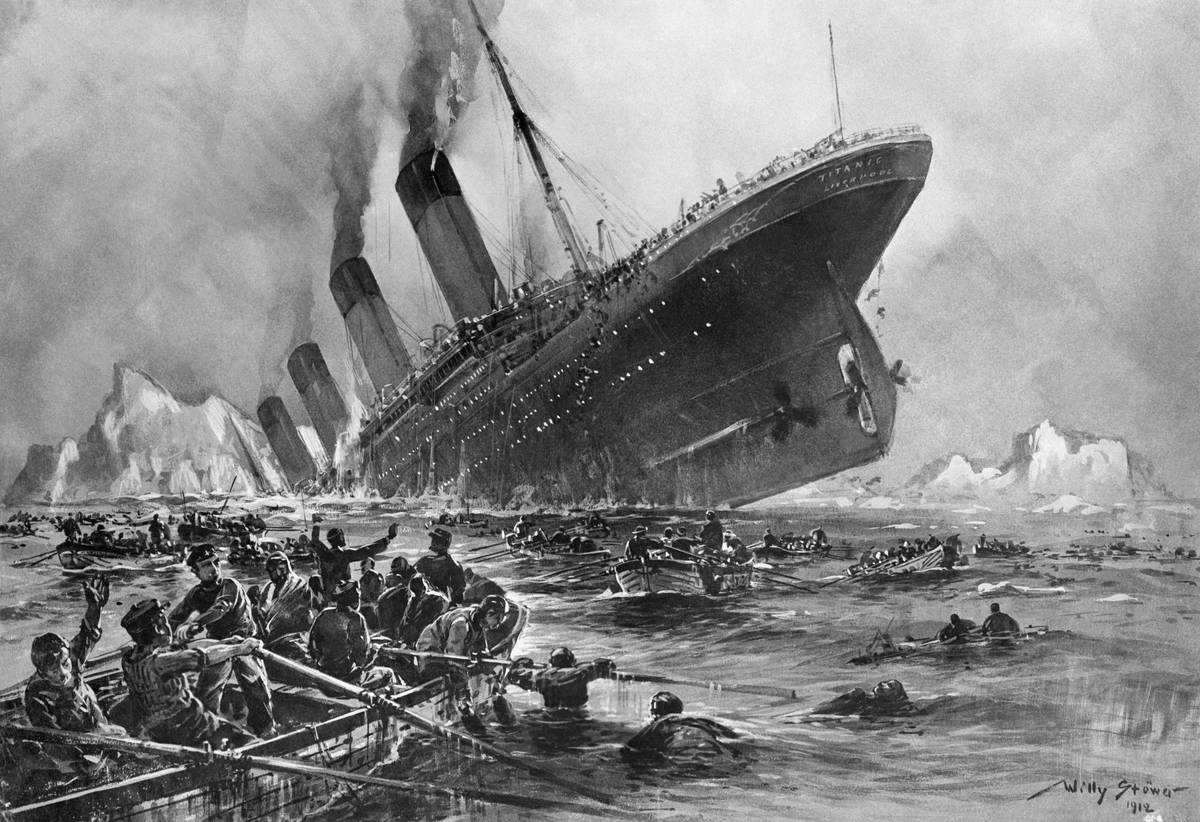
The Titanic, deemed unsinkable, met its tragic fate on April 15, 1912, when it struck an iceberg during its maiden voyage. Over 1,500 passengers and crew perished in the icy waters of the North Atlantic.
The ship’s design boasted of advanced safety features, yet the lack of lifeboats and the crew’s unpreparedness contributed to the disaster. This maritime tragedy led to significant changes in safety regulations, including lifeboat requirements and iceberg monitoring, forever altering the course of maritime travel.
The Tragic Expedition of the Donner Party
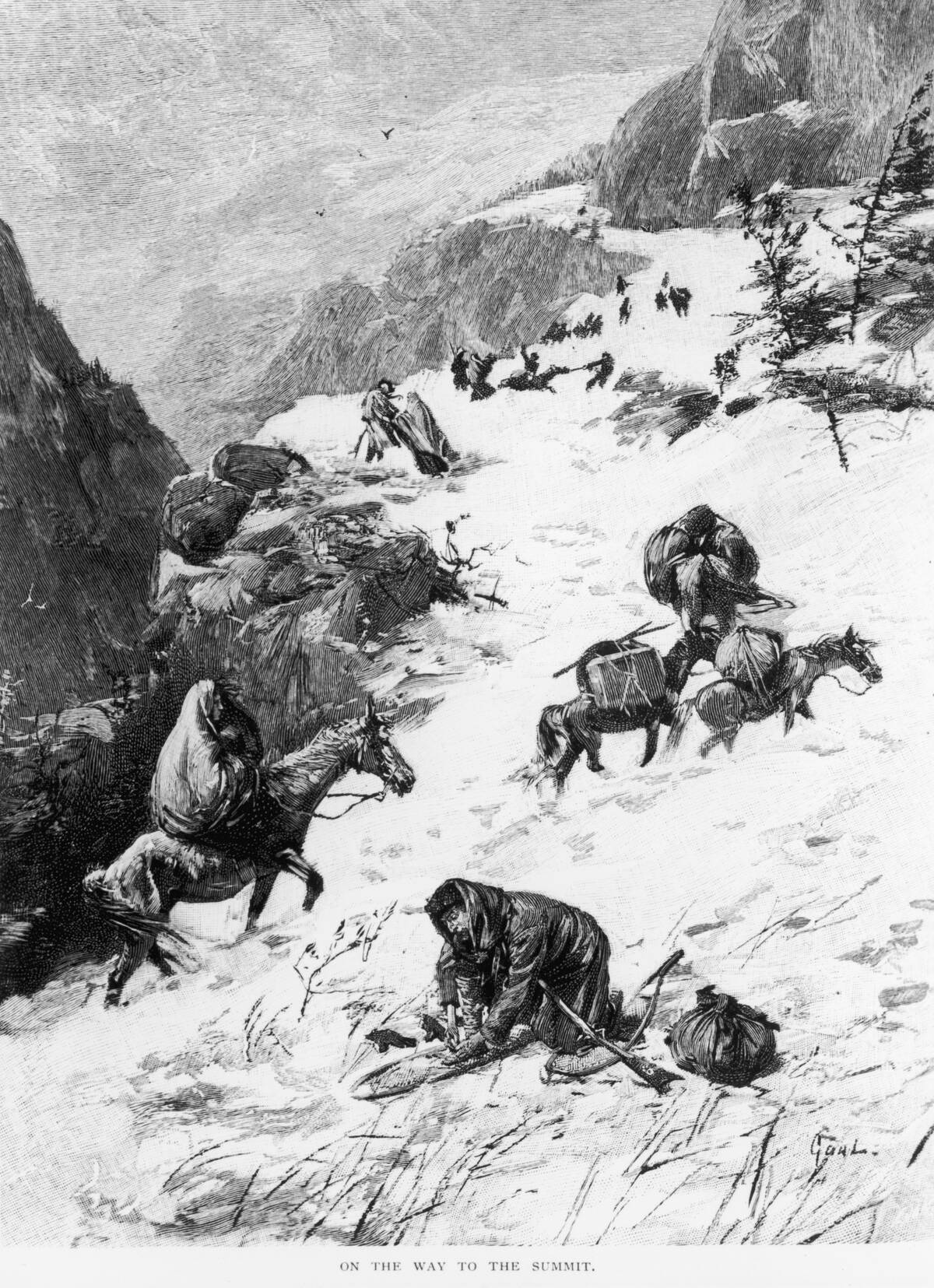
In 1846, the Donner Party set out on a westward journey to California, only to become trapped by heavy snowfall in the Sierra Nevada mountains. With supplies dwindling, the group faced unimaginable hardships, including resorting to cannibalism for survival.
Only 48 of the original 87 members survived to reach California. The story of the Donner Party highlights the perils of unpreparedness and the harsh realities faced by pioneers on the Oregon Trail, serving as a sobering reminder of the risks of frontier exploration.
The Hindenburg Disaster: A Fiery End
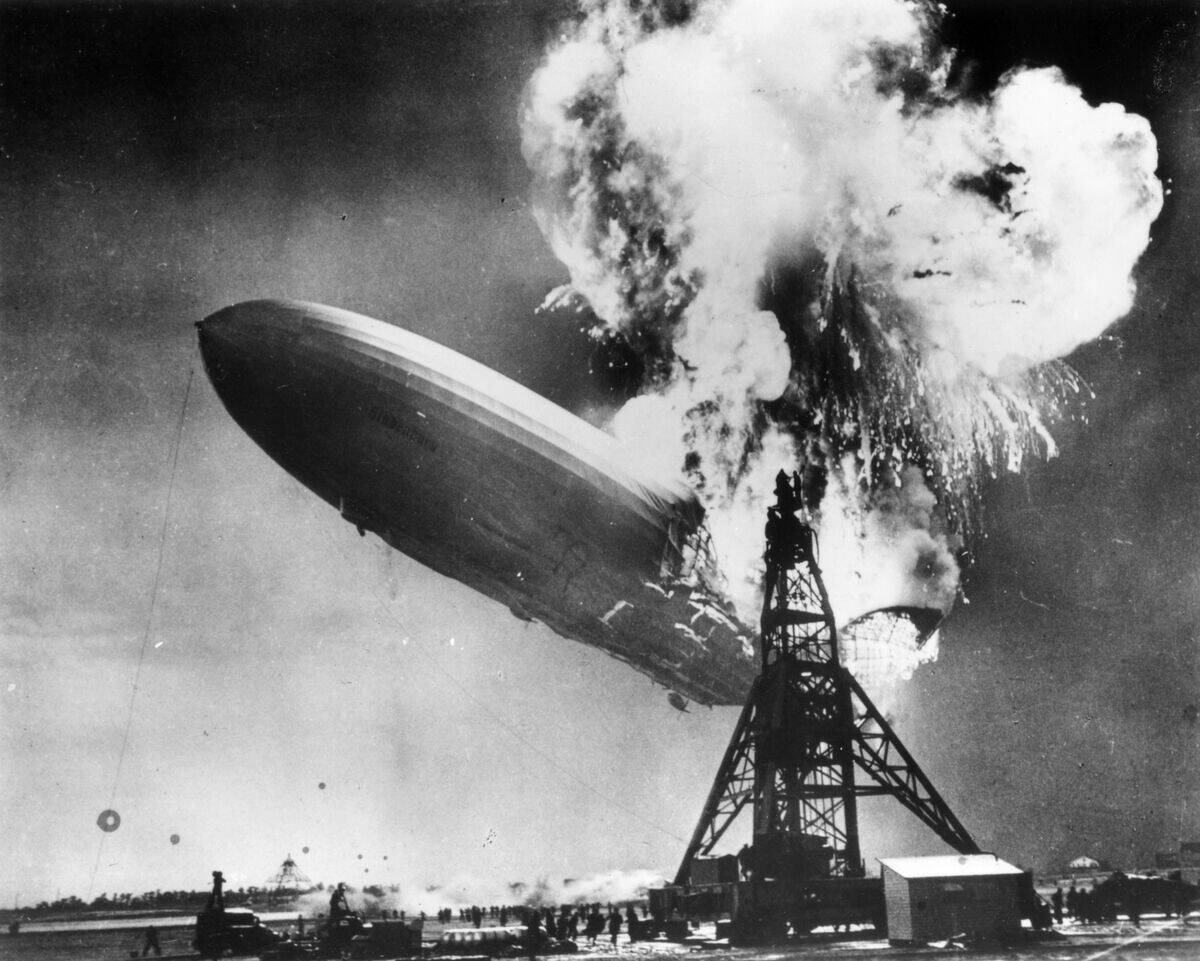
The Hindenburg disaster on May 6, 1937, marked the end of the airship era. As the German passenger airship attempted to land in New Jersey, it suddenly burst into flames, killing 36 people. The exact cause remains debated, but a combination of static electricity, leaking hydrogen, and flammable materials is often cited.
This disaster underscored the dangers of hydrogen-filled airships, leading to a shift towards safer helium and the eventual dominance of fixed-wing aircraft in commercial aviation.
The Ill-fated Franklin Expedition to the Arctic
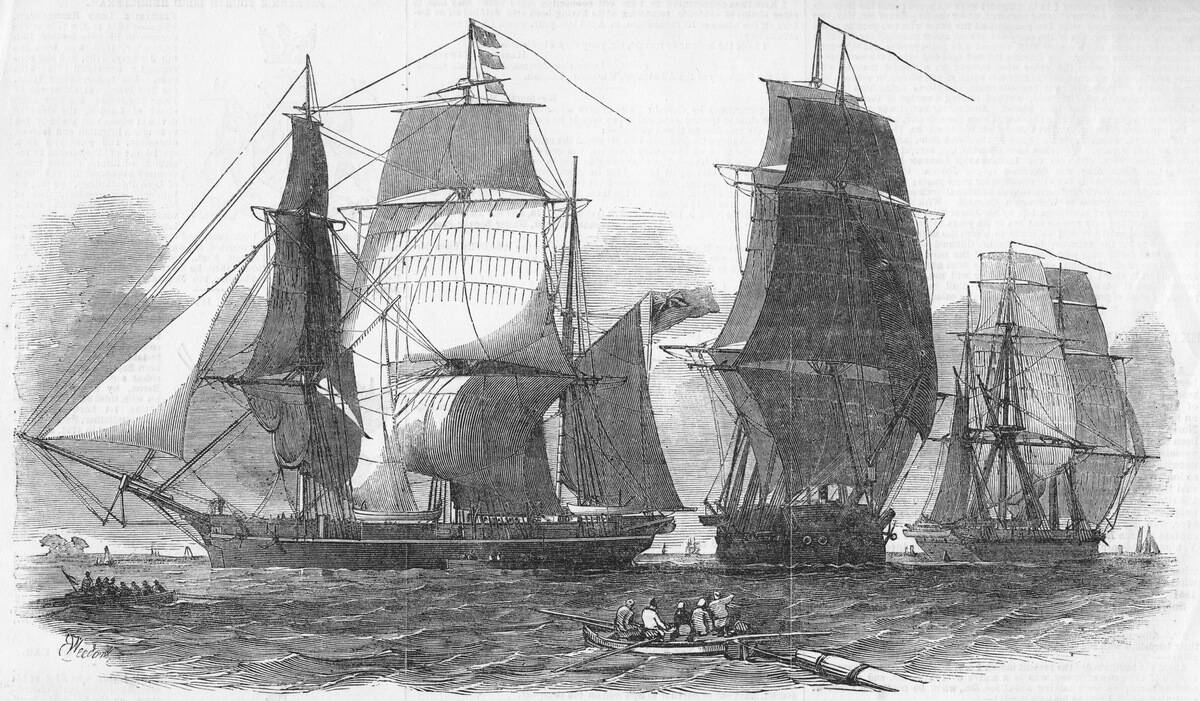
The Franklin Expedition, launched in 1845, sought to chart the Northwest Passage but ended in tragedy. Both ships, HMS Erebus and HMS Terror, became icebound, and the entire crew of 129 perished.
Recent discoveries of the ships’ wrecks in the Canadian Arctic have shed light on their fate, revealing signs of lead poisoning and scurvy. This expedition’s failure highlighted the harsh environmental challenges of Arctic exploration and spurred further efforts to understand and map the treacherous region.
Apollo 13: A Successful Failure in Space
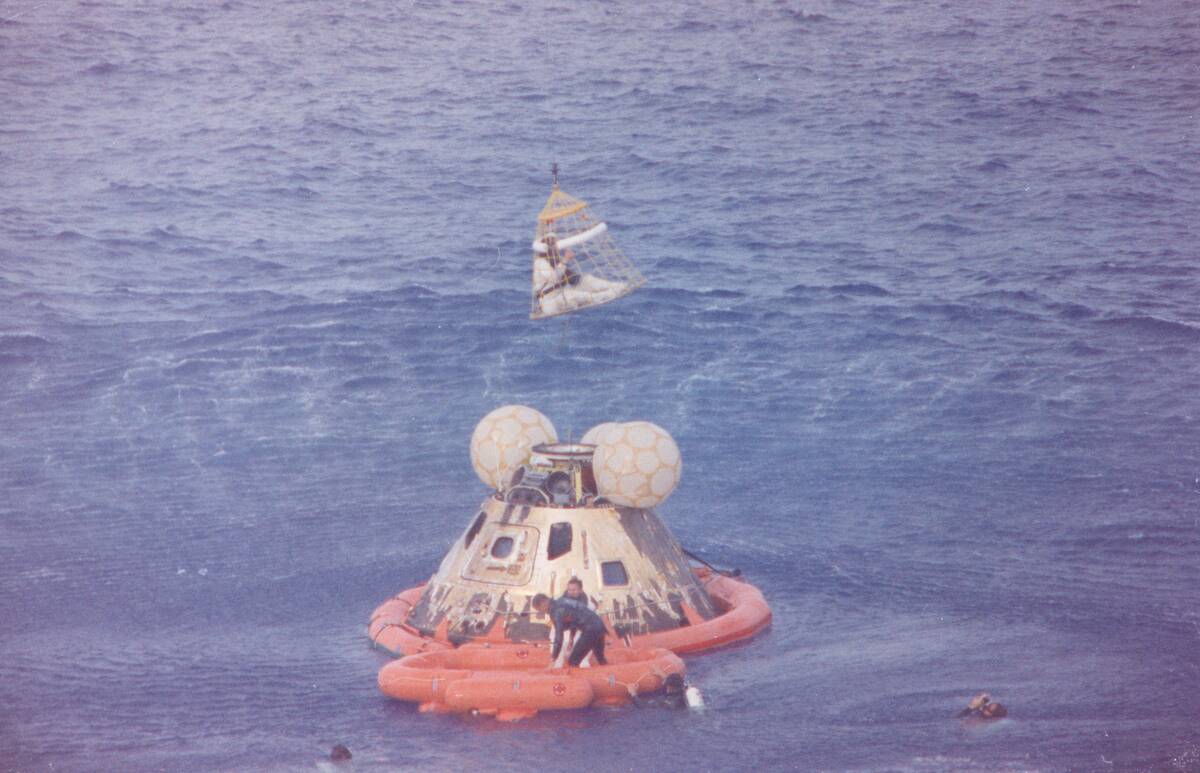
On April 11, 1970, Apollo 13 launched with the goal of landing on the Moon. However, an oxygen tank explosion crippled the spacecraft, leading to the iconic phrase, “Houston, we’ve had a problem.” The mission became a fight for survival as NASA engineers devised innovative solutions to bring the crew safely back to Earth.
Despite not landing on the Moon, Apollo 13 is celebrated as a “successful failure” for its demonstration of ingenuity, teamwork, and the resilience of the human spirit in space exploration.
The Challenger Space Shuttle Disaster

On January 28, 1986, the Challenger space shuttle disintegrated 73 seconds into its flight, claiming the lives of all seven crew members. The disaster was caused by the failure of an O-ring seal in the right solid rocket booster, exacerbated by unusually cold temperatures.
This tragic event prompted NASA to temporarily halt shuttle launches and led to significant changes in safety protocols and engineering practices. The Challenger disaster remains a somber reminder of the inherent risks of space travel and the importance of rigorous testing and safety measures.
The Sinking of the Kursk Submarine
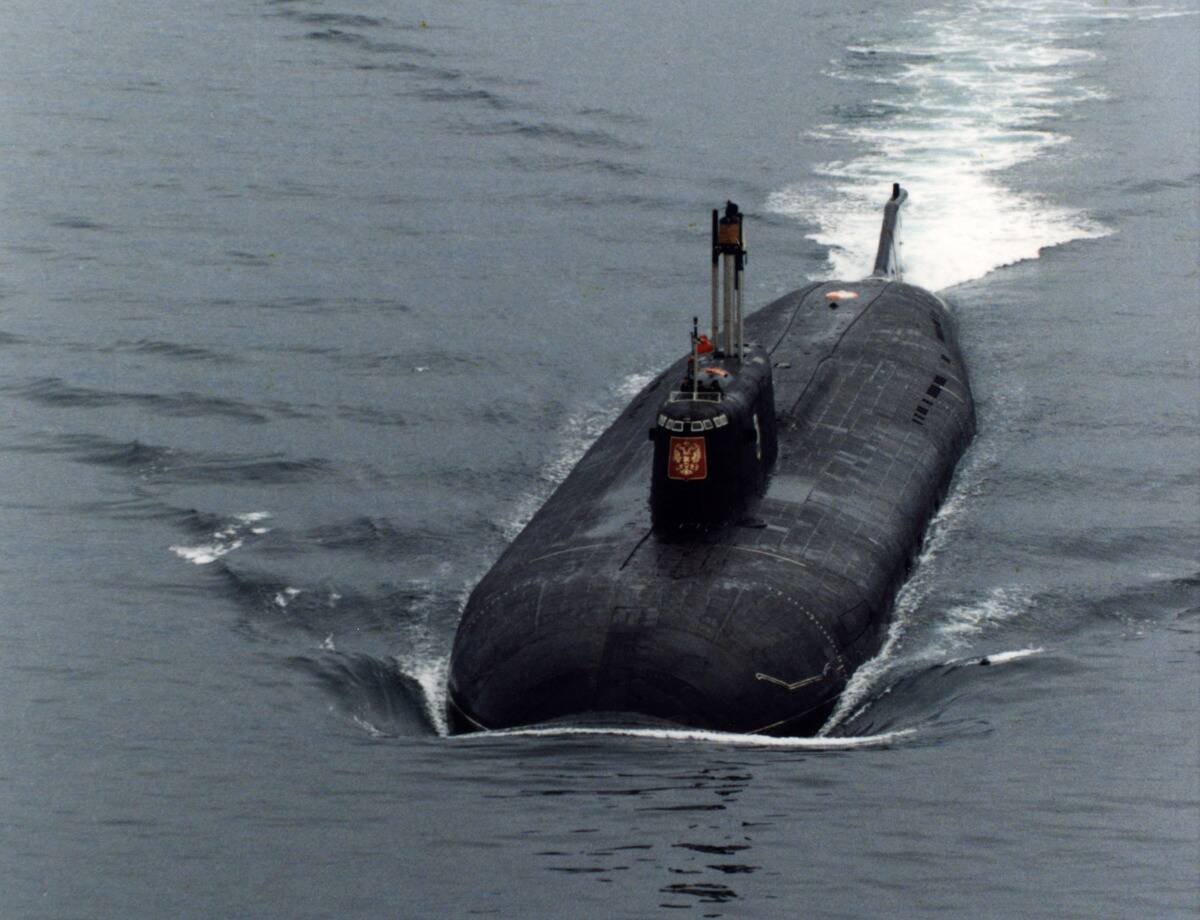
The Russian submarine Kursk sank during a naval exercise in the Barents Sea on August 12, 2000. All 118 crew members aboard perished. Investigations revealed that a torpedo explosion caused catastrophic damage, leading to the submarine’s sinking.
Rescue efforts were hindered by poor communication and harsh conditions. The Kursk disaster highlighted the complexities of submarine rescue operations and prompted international discussions on improving safety standards and emergency response strategies for naval vessels.
The Grueling Journey of the Endurance Expedition
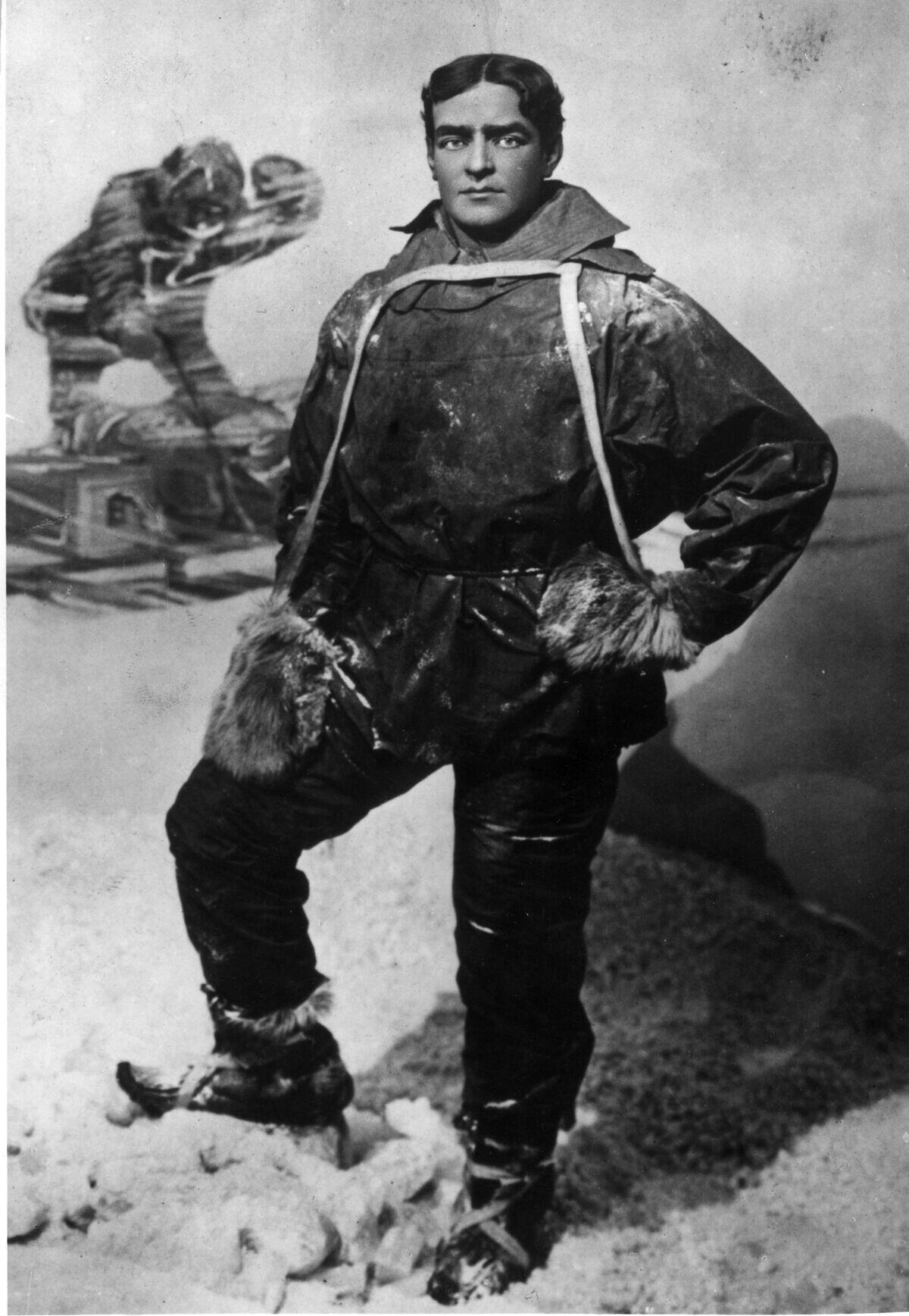
Sir Ernest Shackleton’s Endurance Expedition to Antarctica in 1914 is one of survival against all odds. The ship, Endurance, was trapped and crushed by ice, leaving the crew stranded. Shackleton led his men on a perilous journey across ice and ocean to reach safety, famously ensuring that every crew member survived.
This expedition is celebrated not for its original goals but for the exemplary leadership and resilience demonstrated. It serves as an inspiring tale of courage and determination in the face of overwhelming adversity.
Amelia Earhart’s Mysterious Disappearance

Amelia Earhart, the pioneering aviator, vanished on July 2, 1937, during her attempt to circumnavigate the globe. Her disappearance over the Pacific Ocean remains one of aviation’s greatest mysteries.
Despite extensive searches, neither Earhart nor her plane was ever found. Numerous theories abound, from crashing into the ocean to landing on a remote island. Earhart’s legacy endures as a symbol of courage and the pursuit of dreams, inspiring generations of aviators and adventurers to push the boundaries of possibility.
The Catastrophe of the Deepwater Horizon Drilling Rig
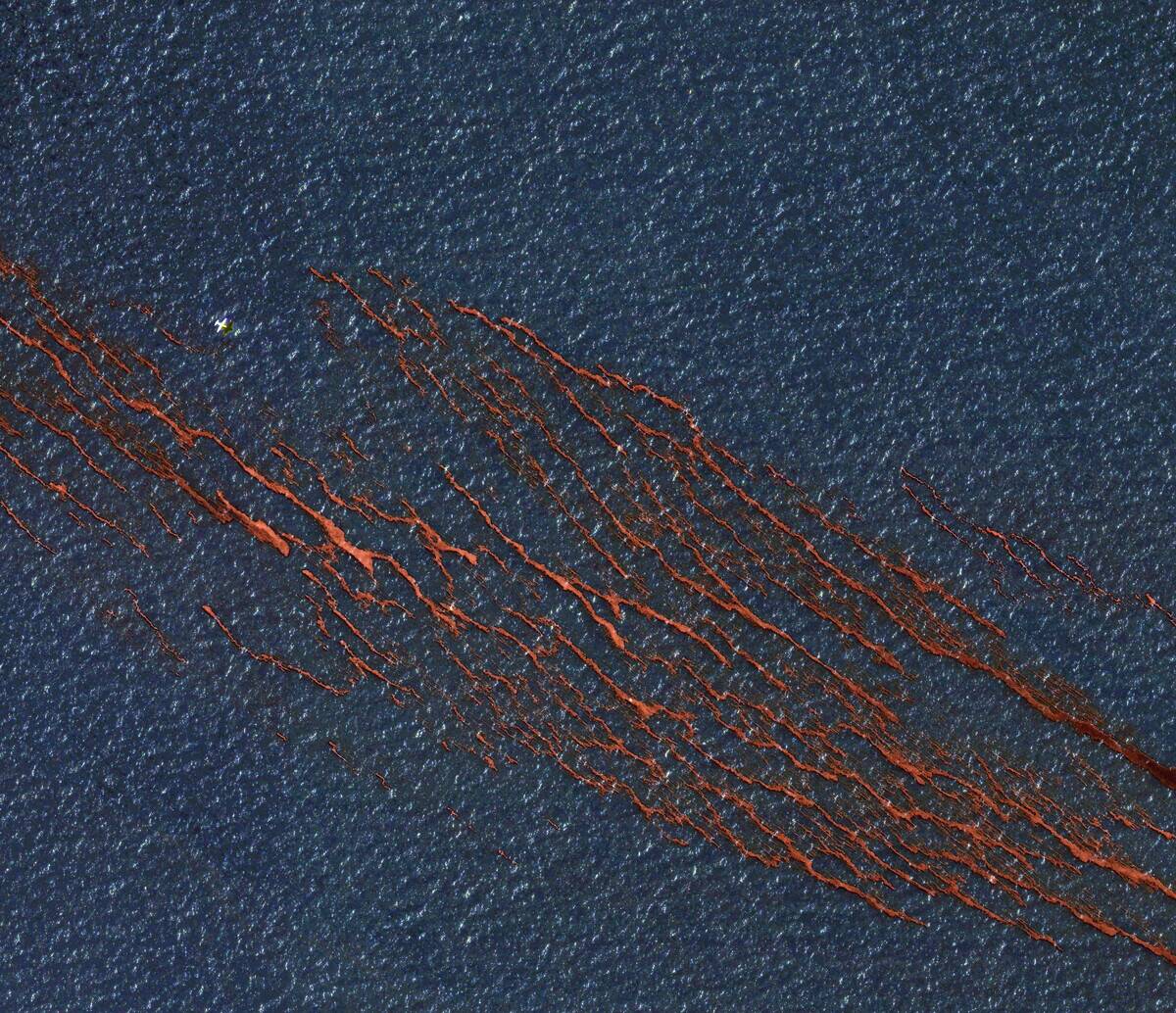
On April 20, 2010, the Deepwater Horizon drilling rig experienced a blowout, leading to a massive oil spill in the Gulf of Mexico. Eleven workers lost their lives, and millions of barrels of oil leaked into the ocean, causing extensive environmental damage.
The incident exposed significant flaws in safety protocols and industry oversight. In response, regulatory changes were implemented to enhance offshore drilling safety and environmental protection, shaping the future of oil exploration and extraction practices.
The Explosive Mount St. Helens Eruption Expedition
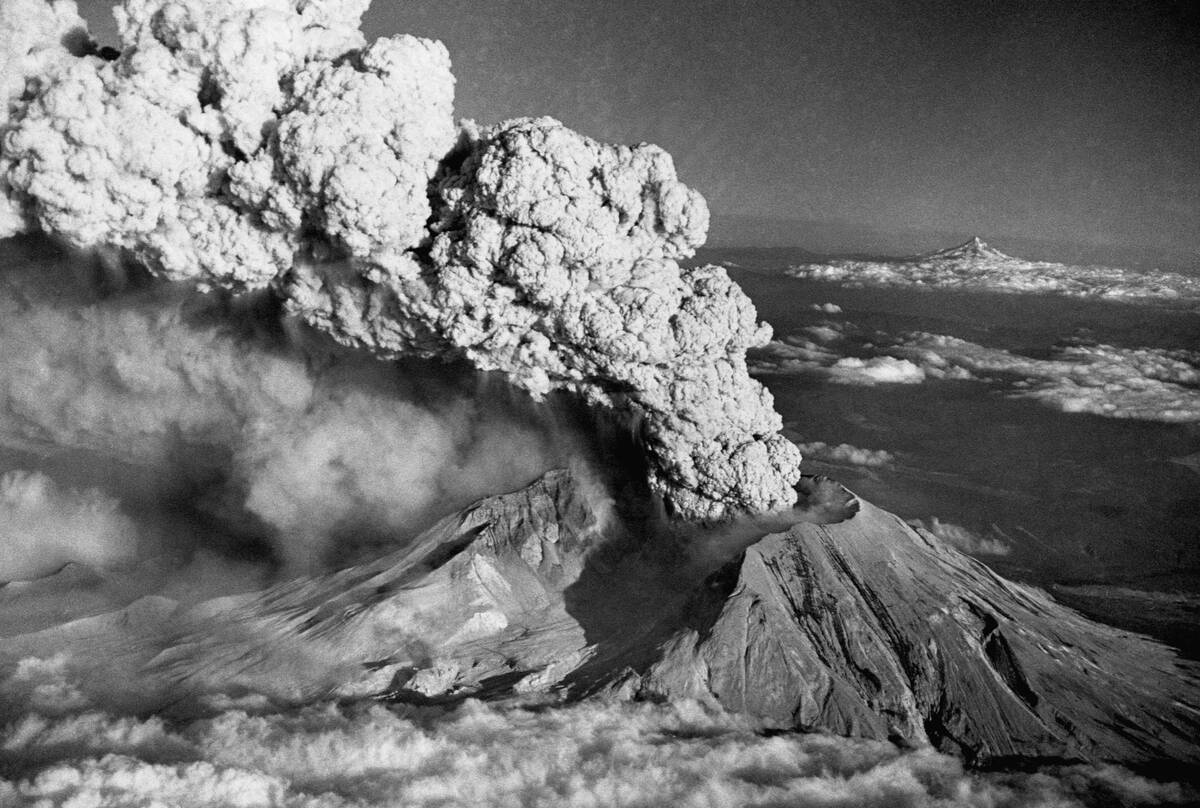
The eruption of Mount St. Helens on May 18, 1980, was a cataclysmic event that claimed 57 lives and reshaped the surrounding landscape. Volcanologists had been monitoring the volcano, but the magnitude of the eruption caught many by surprise.
The explosion flattened forests and sent ash miles into the sky. This event prompted advances in volcanic monitoring and prediction, emphasizing the need for better understanding and preparedness in the face of natural disasters.
The Tragic Fate of the Burke and Wills Expedition
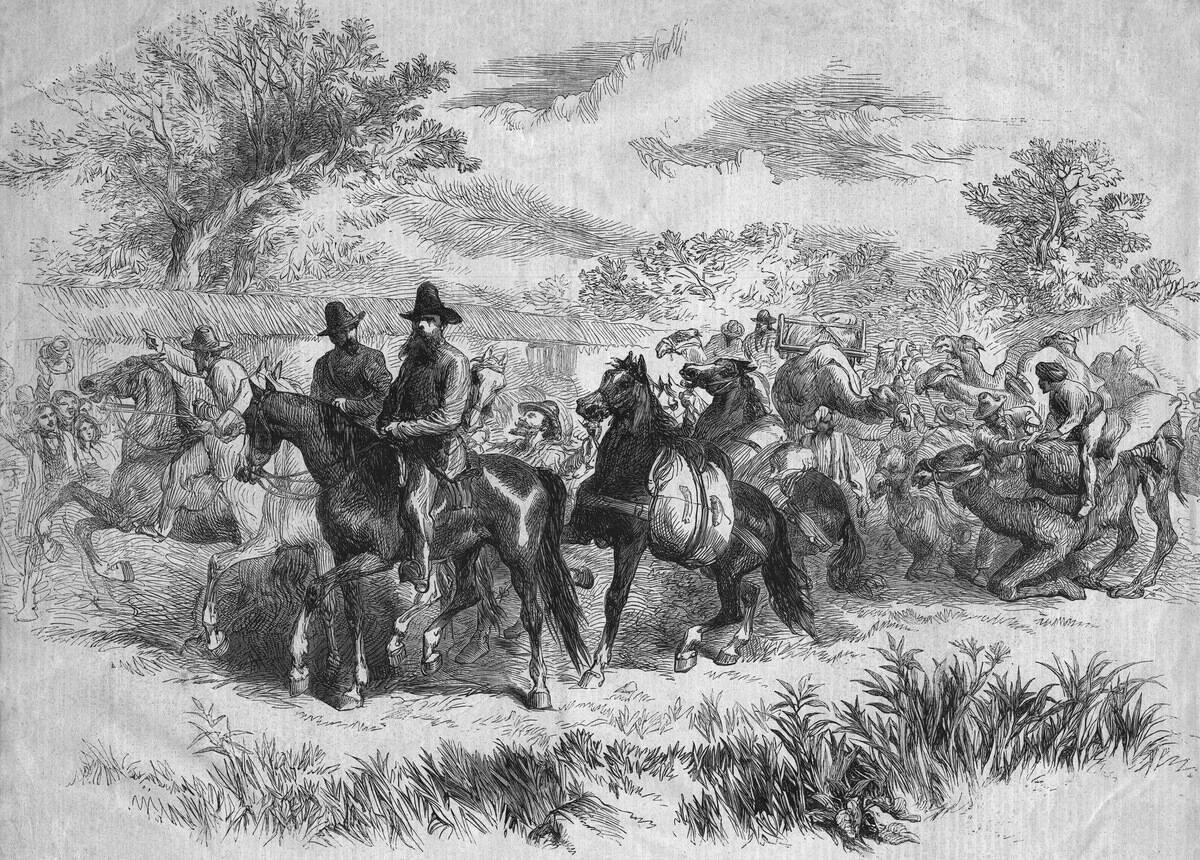
The Burke and Wills Expedition set out in 1860 to cross Australia from south to north. Poor planning and logistical failures led to the demise of the expedition’s leaders, Robert O’Hara Burke and William John Wills, along with several others. Only one member, John King, survived to return.
This ill-fated journey highlighted the challenges of exploring Australia’s harsh interior and underscored the importance of thorough preparation and understanding of local conditions in successful expeditions.
The Unfortunate Story of the Narváez Expedition
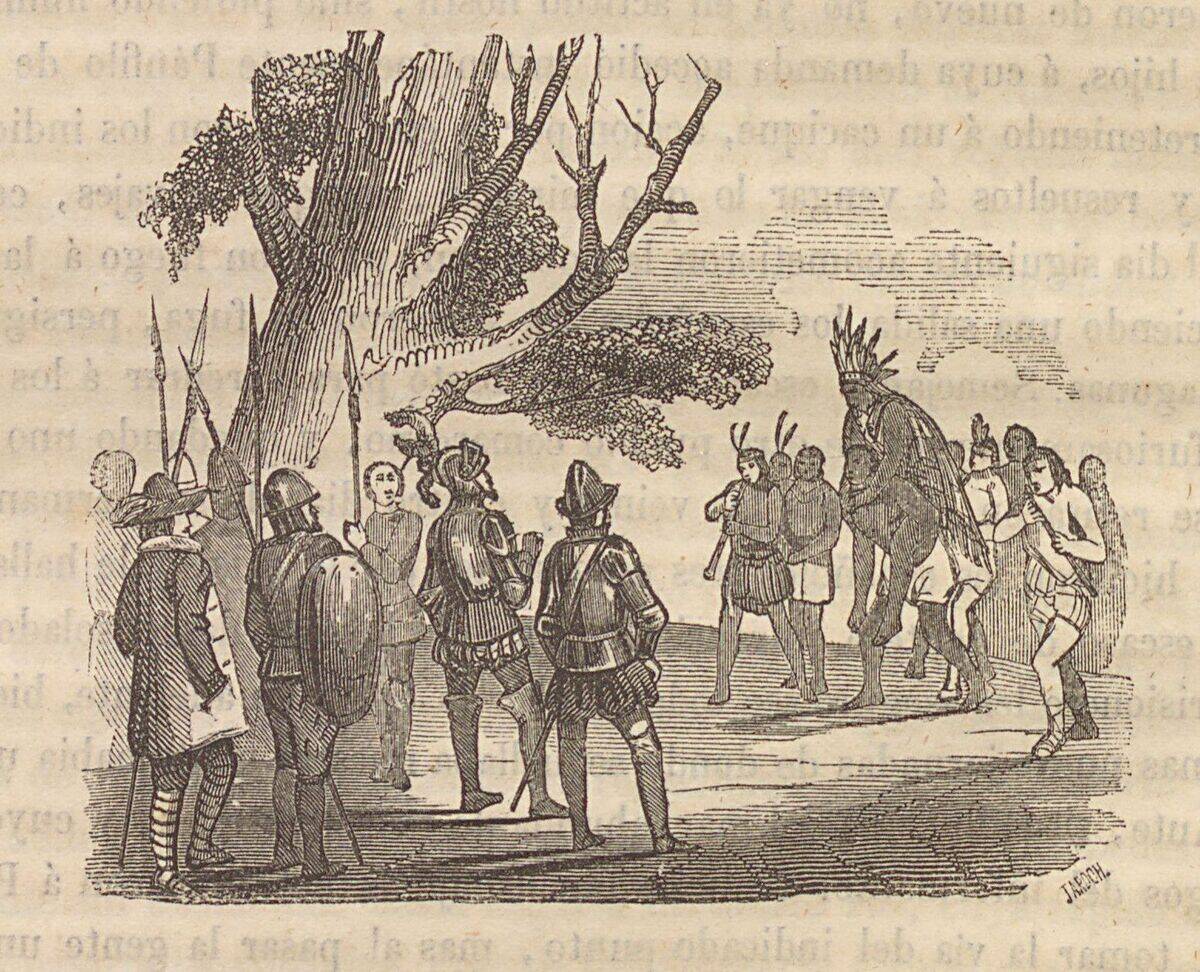
The Narváez Expedition of 1527 aimed to colonize Florida but ended in disaster. Beset by hurricanes, disease, and hostile encounters with indigenous peoples, the expedition saw its numbers dwindle from 600 to just four survivors.
Their leader, Pánfilo de Narváez, was among those lost. The survivors’ harrowing journey across the Gulf Coast and Southwest is a testament to human endurance and adaptability. This expedition serves as a cautionary tale of the perils of conquest and the harsh realities of the New World.
The Collapse of the Tacoma Narrows Bridge
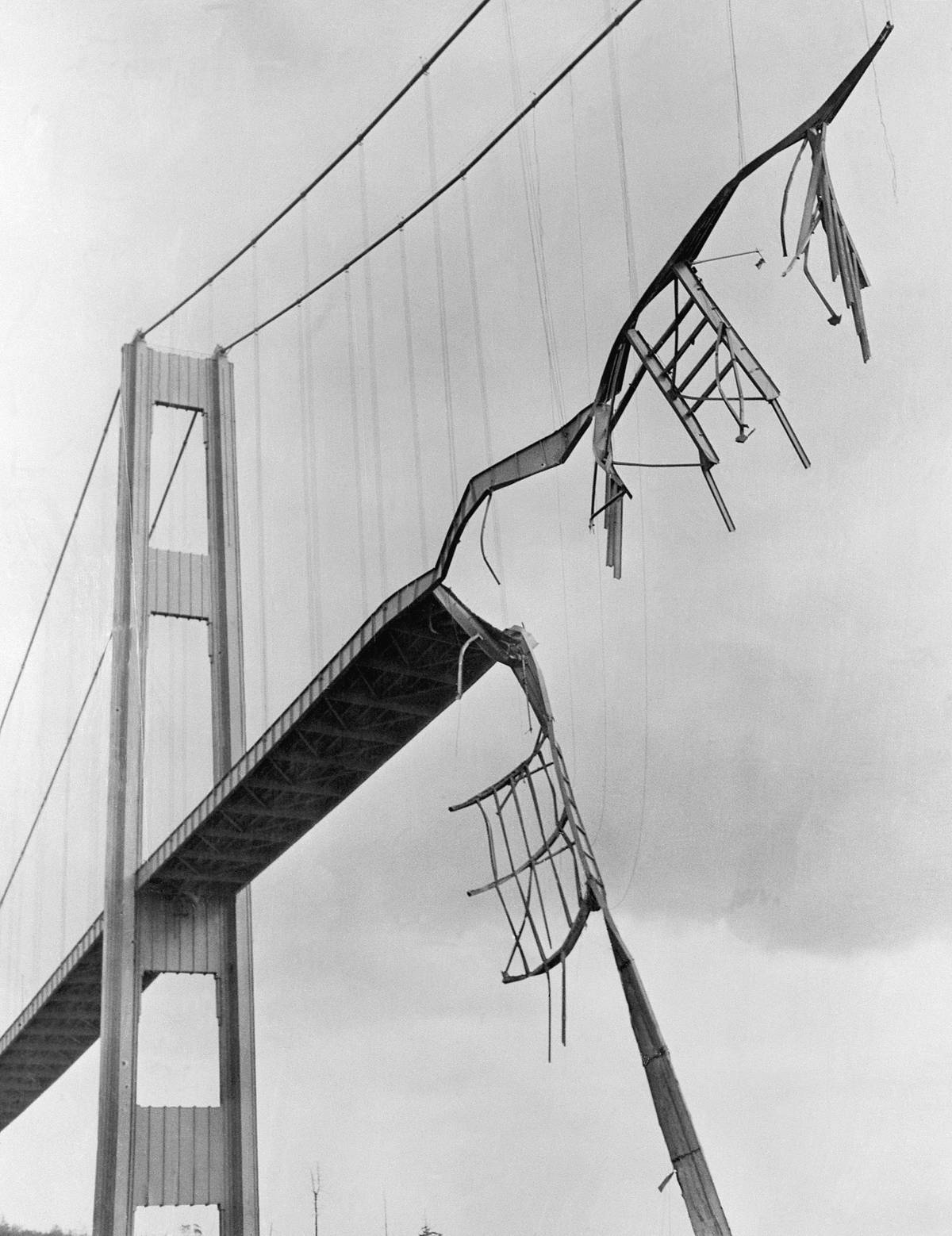
Known as “Galloping Gertie,” the Tacoma Narrows Bridge collapsed spectacularly on November 7, 1940, due to aeroelastic flutter. The dramatic event was captured on film, showing the bridge twisting in the wind before its ultimate failure.
Fortunately, there were no casualties, but the incident led to significant advancements in bridge design and engineering. The collapse highlighted the importance of wind tunnel testing and aeroelastic stability in the construction of long-span bridges, influencing future architectural projects worldwide.
The Lost City of Z: Exploration Gone Awry
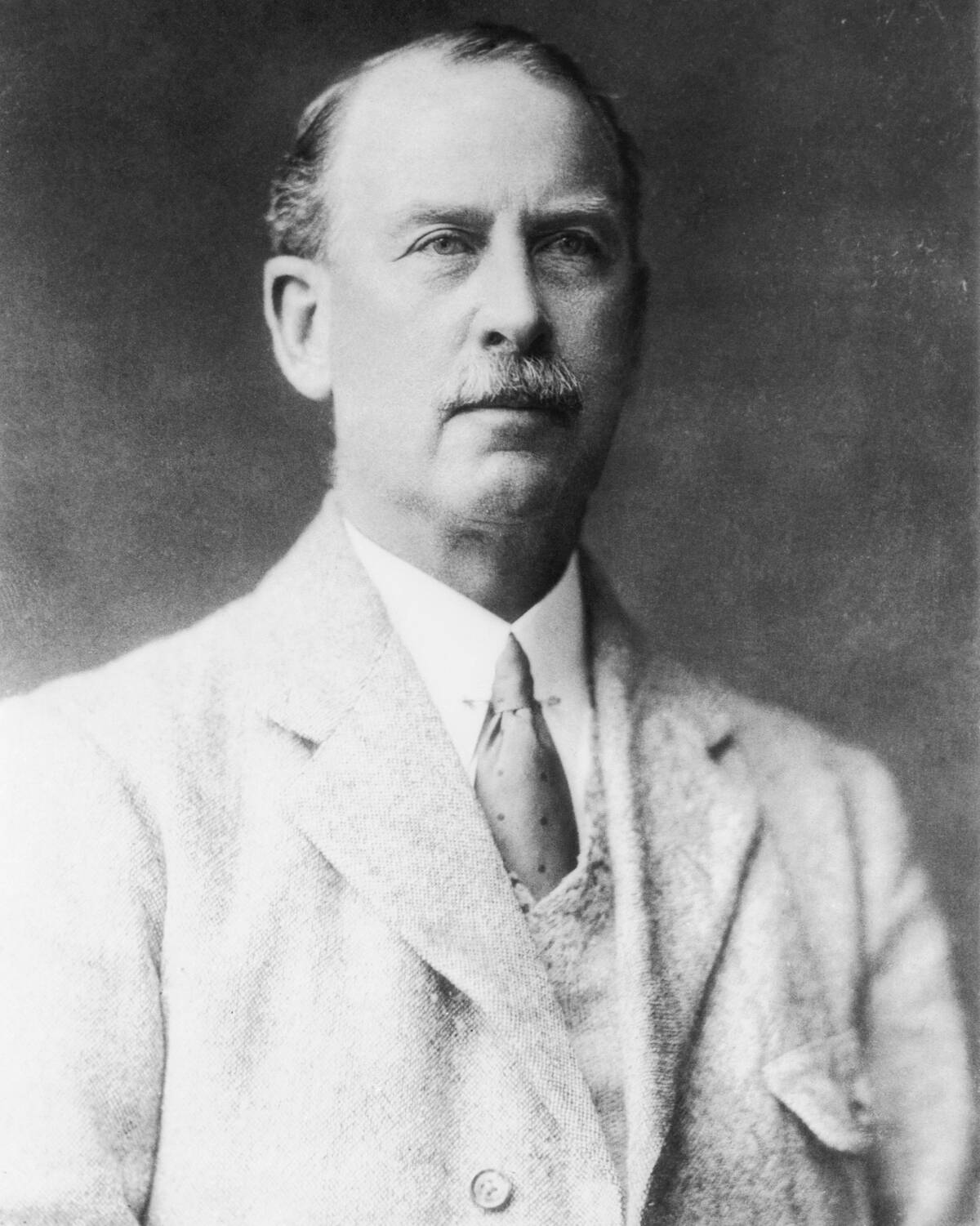
The search for the “Lost City of Z” captivated British explorer Percy Fawcett, who vanished in the Amazon in 1925. Fawcett believed he could find an ancient civilization, but despite extensive expeditions, no trace of the city—or Fawcett—was ever found.
His disappearance remains a mystery, fueling speculation and legend. The quest for the Lost City of Z underscores the allure and danger of exploring uncharted territories, where ambition and hubris can lead to unforeseen consequences.