14 Environmental changes that reshaped our planet
Our planet is a dynamic mosaic of landscapes, constantly evolving through both natural and human influences. From towering mountains to sprawling deserts, each feature tells a story of transformation.
This journey through Earth’s landscapes reveals the powerful forces that shape them and the ongoing changes we might expect in the future. Let’s dive into the fascinating processes that mold our world, touching upon everything from tectonic shifts to human footprints.
The Mighty Forces of Plate Tectonics
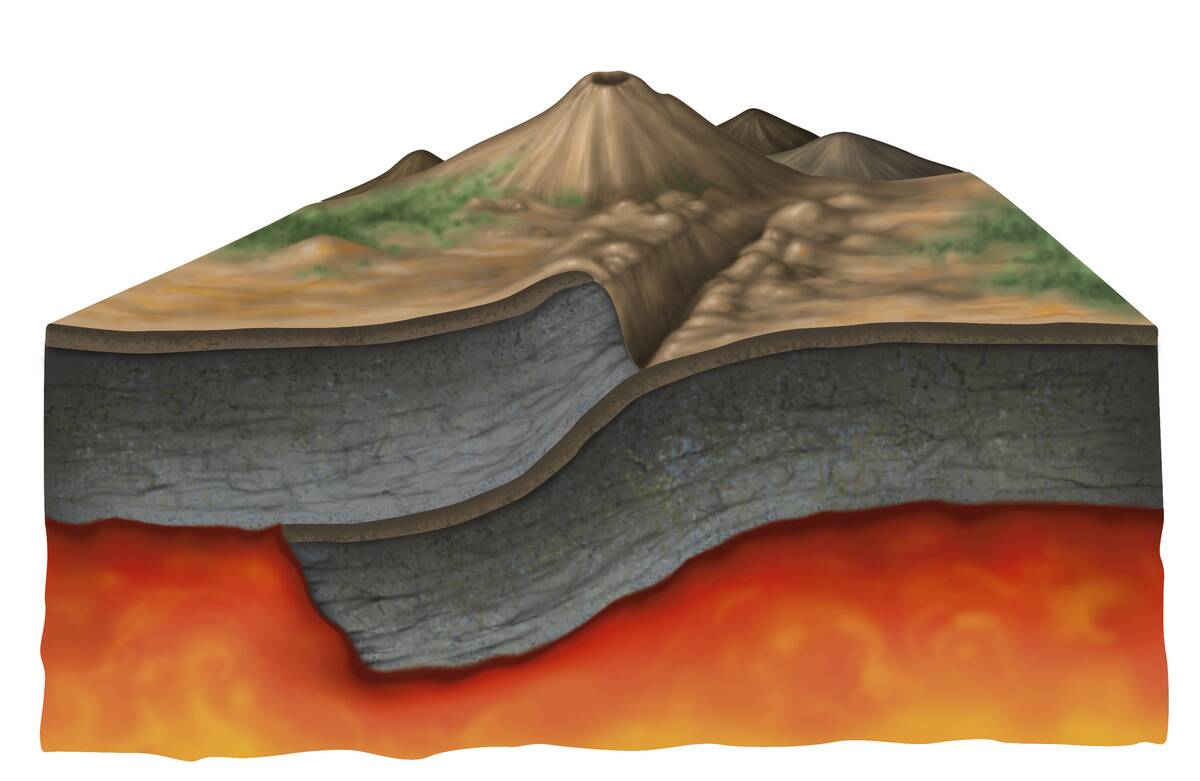
Beneath our feet, the Earth’s crust is made up of massive plates that float on molten rock. These tectonic plates drift and collide, causing earthquakes and forming mountain ranges.
The Himalayas, for example, continue to rise as the Indian plate pushes against the Eurasian plate, showcasing the relentless power of these natural forces. This process not only creates landforms but also influences patterns of biodiversity and climate.
The Rise and Fall of Mountain Ranges
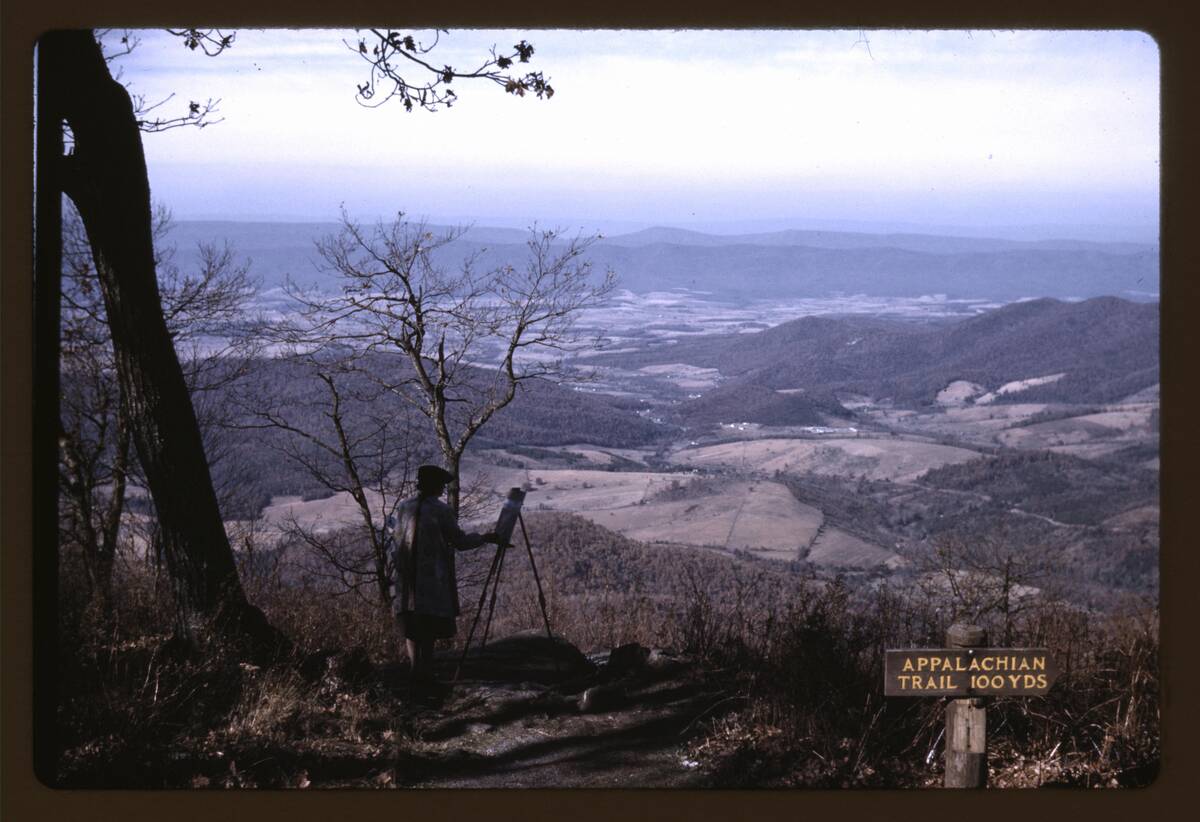
Mountains are not eternal; they rise and erode over millions of years. As tectonic plates converge, they fold and uplift the crust, forming majestic peaks.
The Appalachian Mountains, for instance, were once as towering as the Himalayas but have been worn down by time and weather. This cycle of building and degrading mountains plays a crucial role in Earth’s geological and ecological history, offering rich habitats for diverse species.
Glacial Sculptors: Ice Ages and Their Imprints
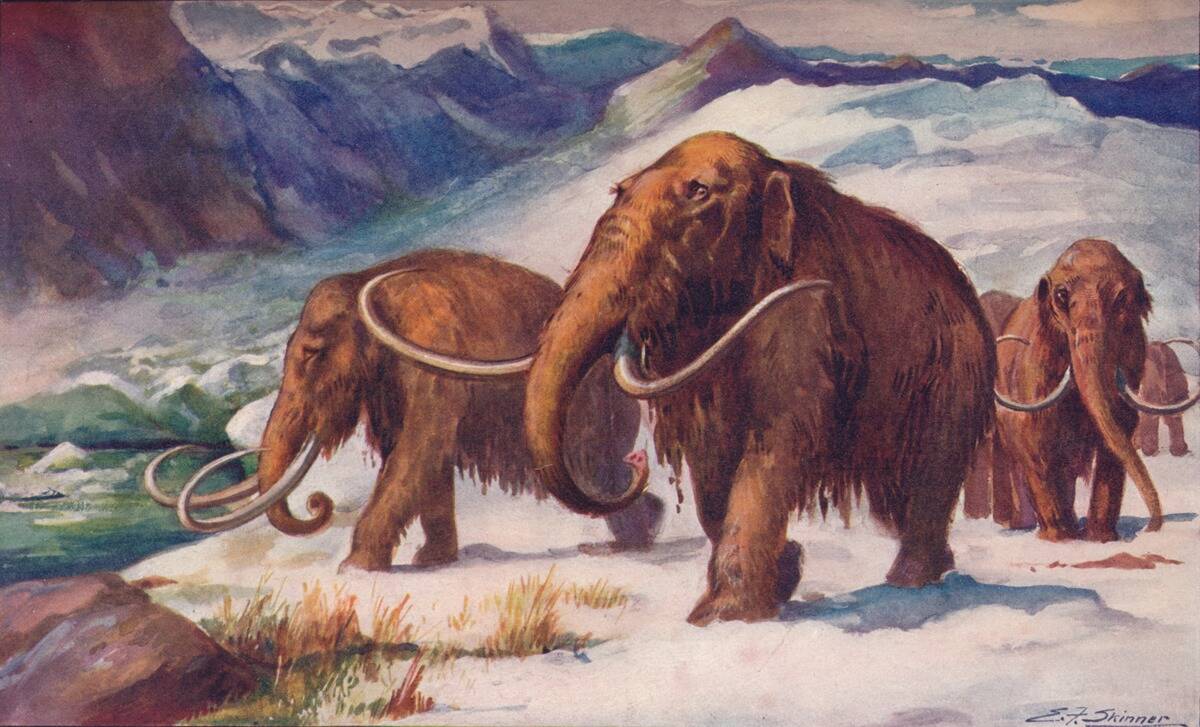
Ice ages have been Earth’s natural sculptors, carving valleys and shaping landscapes. Massive glaciers moved across continents, leaving behind features like the Great Lakes and U-shaped valleys.
These ice sheets expanded and receded over millennia, dramatically altering the terrain. Such glacial imprints are not only geologically significant but also impact weather patterns and ecosystems, providing clues to past climate changes.
The Dance of Ocean Currents: Shaping Shores and Beyond
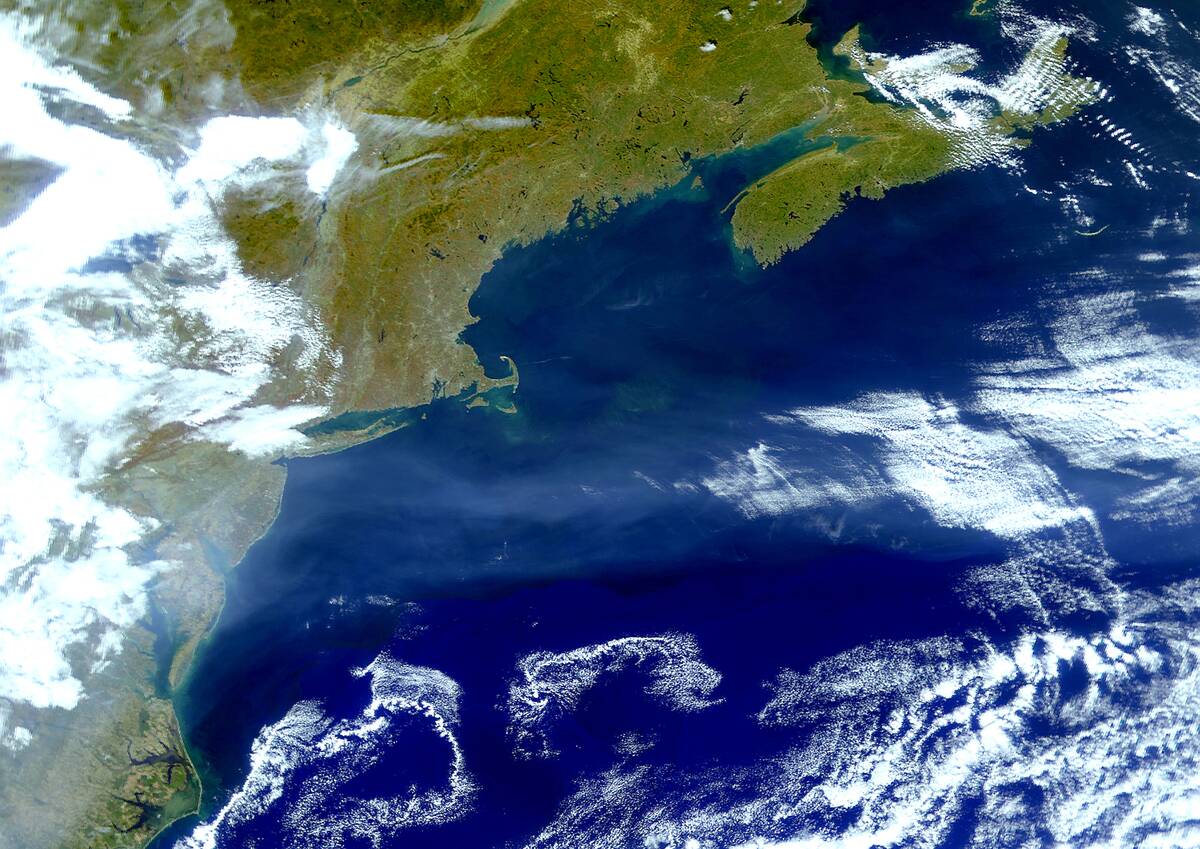
Ocean currents are powerful forces that shape coastlines and influence global climate. The Gulf Stream, for instance, carries warm water from the Gulf of Mexico across the Atlantic, moderating weather in Europe.
These currents erode and deposit sediments, constantly reshaping shores. Their influence extends beyond the coastline, affecting marine life migration and the distribution of nutrients, making them vital to the planet’s ecological balance.
The Birth of Deserts: A Tale of Sand and Wind
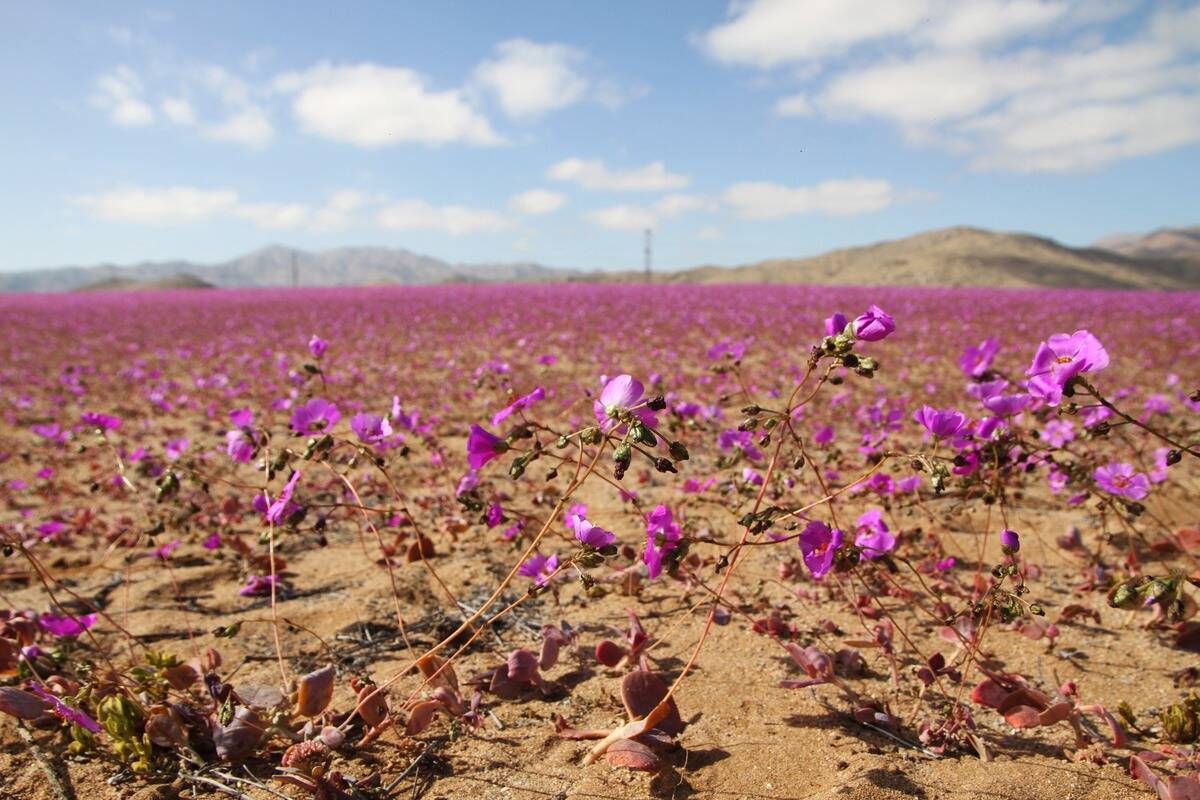
Deserts form in regions where evaporation exceeds precipitation, often influenced by wind patterns and mountain barriers. The Sahara Desert, the largest hot desert, emerged over time due to climatic shifts and the rain shadow effect.
Wind is a key player, shaping dunes and eroding rock formations. Despite their harsh conditions, deserts host unique ecosystems and have fascinated humans with their stark beauty and mystery.
River Journeys: Carving Canyons and Valleys
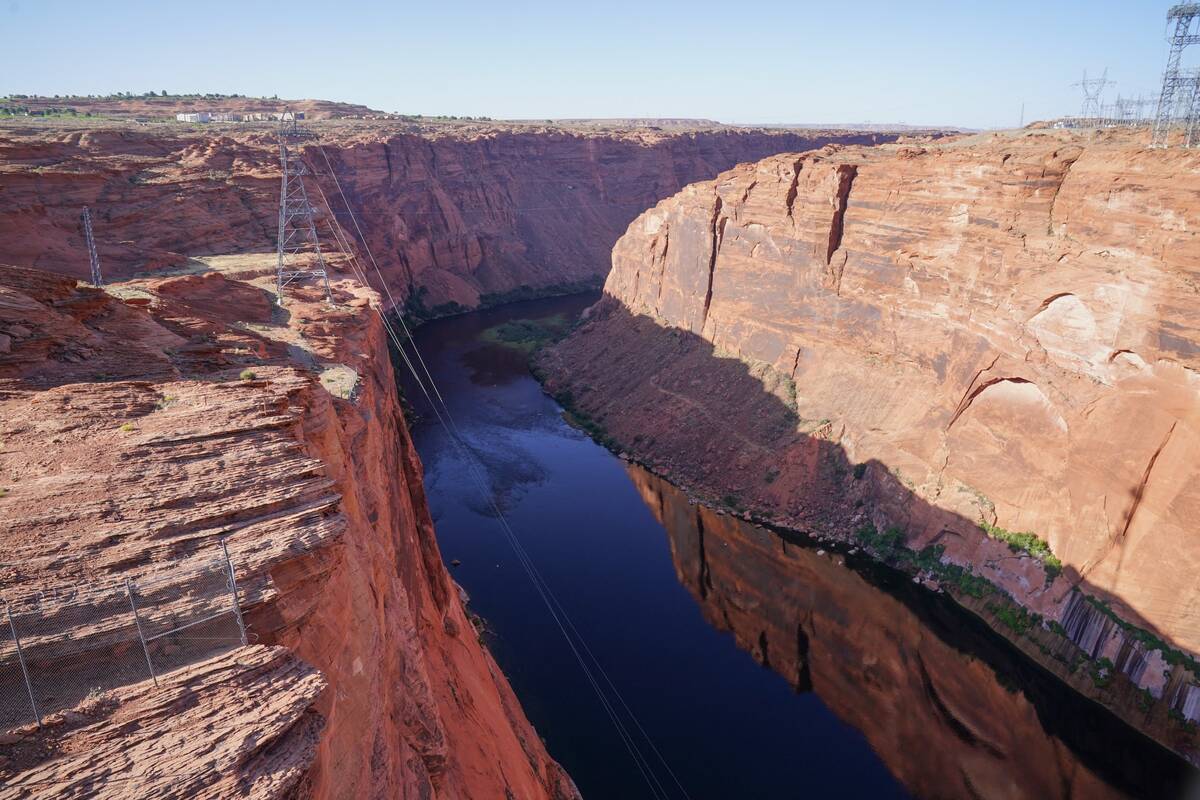
Rivers are nature’s sculptors, carving canyons and valleys over millions of years. The Grand Canyon, carved by the Colorado River, is a testament to the power of water erosion.
As rivers flow, they transport sediments, gradually wearing down rock layers and creating diverse landscapes. These waterways not only shape the land but also support rich ecosystems and have been crucial to human civilization for millennia.
Volcanic Eruptions: Builders and Destroyers
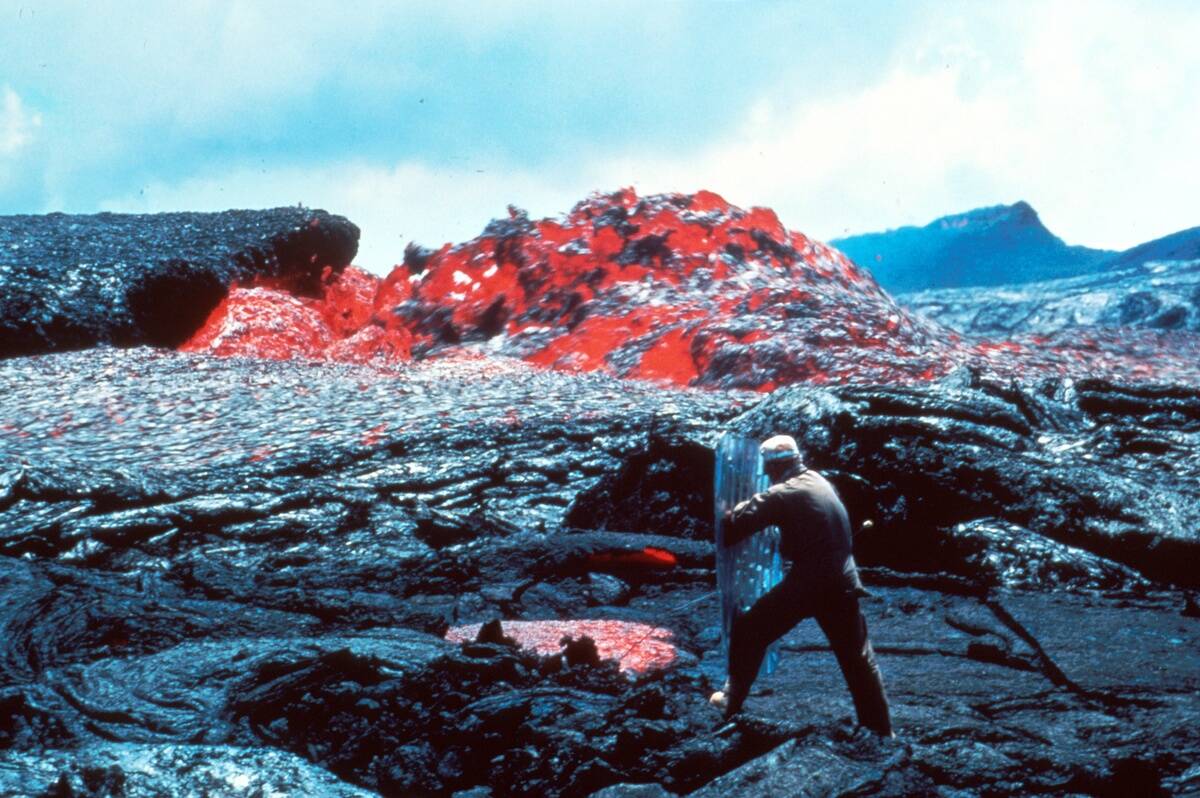
Volcanoes are both creators and destroyers, forming new land while reshaping existing terrain. The Hawaiian Islands are a product of volcanic activity, illustrating how eruptions can build land over time.
However, eruptions can also be catastrophic, like the 1883 Krakatoa eruption, which profoundly altered the surrounding landscape and climate. These fiery forces influence Earth’s geology, providing fertile soils and new habitats.
The Power of Erosion: Time’s Gentle Touch
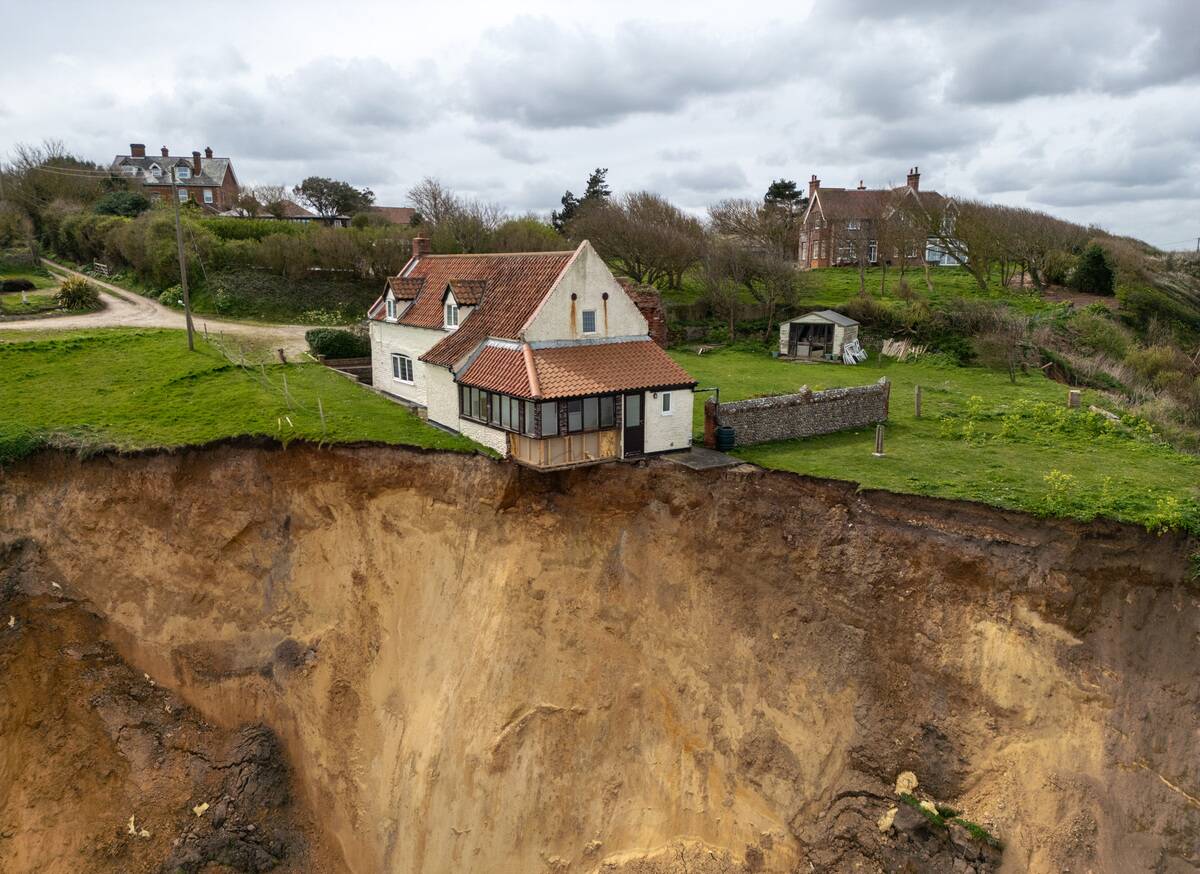
Erosion is a slow but relentless force, gradually wearing down mountains and reshaping landscapes. Wind, water, and ice are the primary agents of erosion, each leaving distinct marks on the terrain.
The Badlands of South Dakota showcase intricate erosion patterns, where wind and rain have sculpted the sedimentary rock into striking formations. This process is essential for soil formation and nutrient cycling, supporting diverse ecosystems.
Ancient Forests to Grasslands: Vegetation Shifts
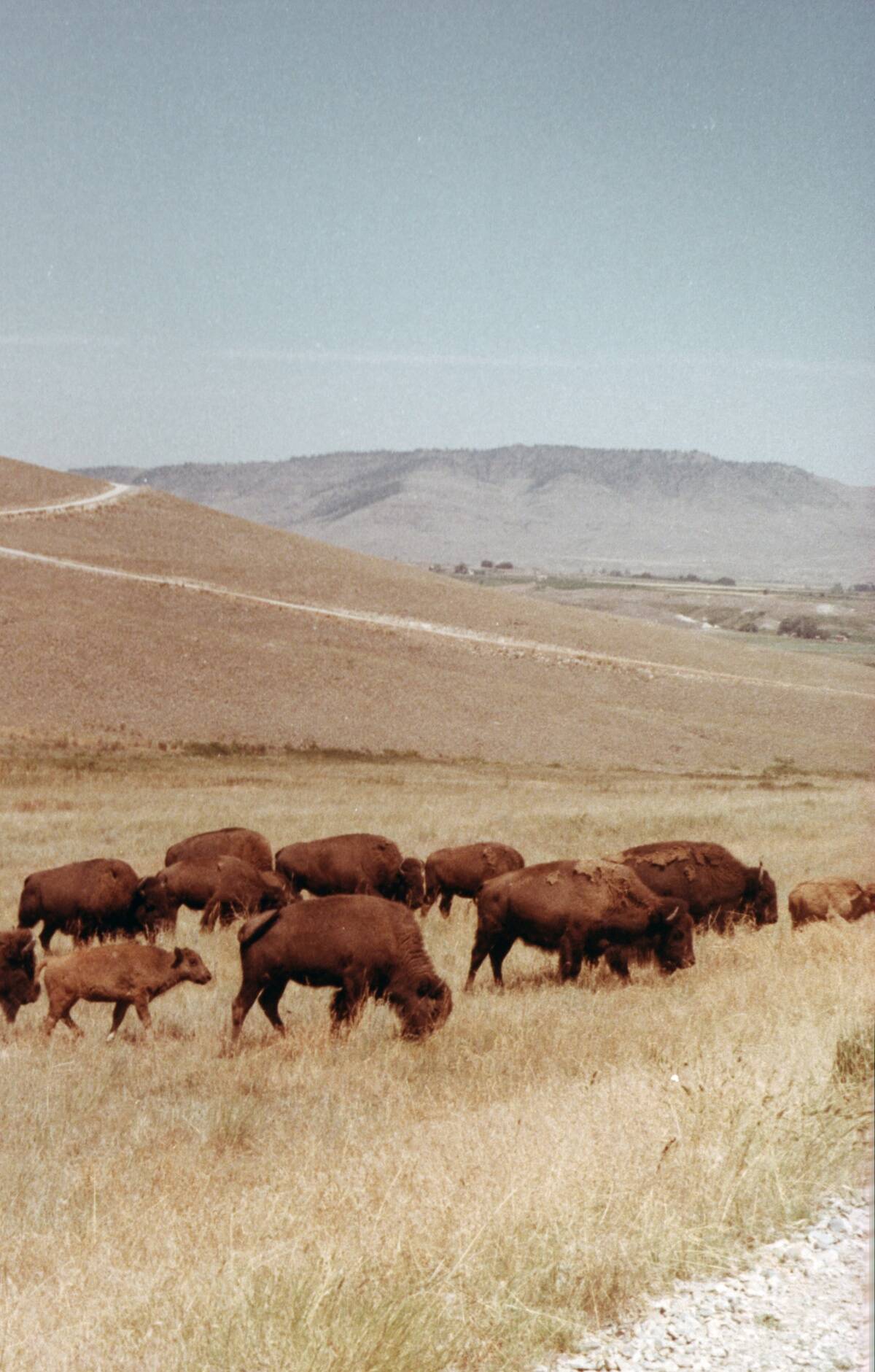
Vegetation on Earth has shifted over time, influenced by climate changes and human activity. Ancient forests once covered vast areas, but as climates warmed and dried, many transitioned to grasslands.
The Great Plains in North America are an example of such a shift, where forests gave way to open prairies. These changes impact biodiversity and carbon storage, demonstrating the interconnectedness of climate and vegetation.
Coastal Transformations: The Tides of Change
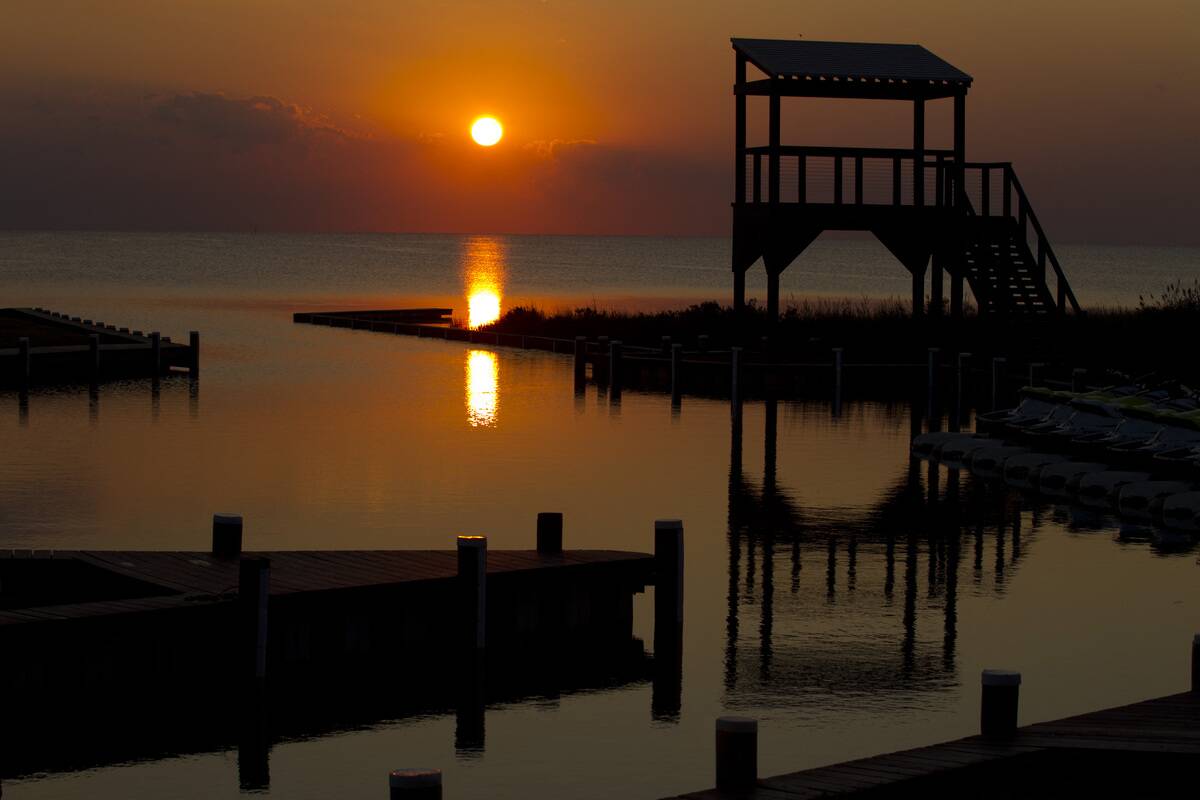
Coastlines are dynamic, constantly modified by tides, waves, and human activity. Sea level changes and storm surges can reshape the shoreline, as seen in the constantly shifting Outer Banks of North Carolina.
Coastal areas are vital for human settlements and marine life, yet they face threats from rising sea levels and erosion. Understanding these processes is crucial for managing coastal environments and mitigating impacts on communities.
Meteor Impacts: Cosmic Land Shapers
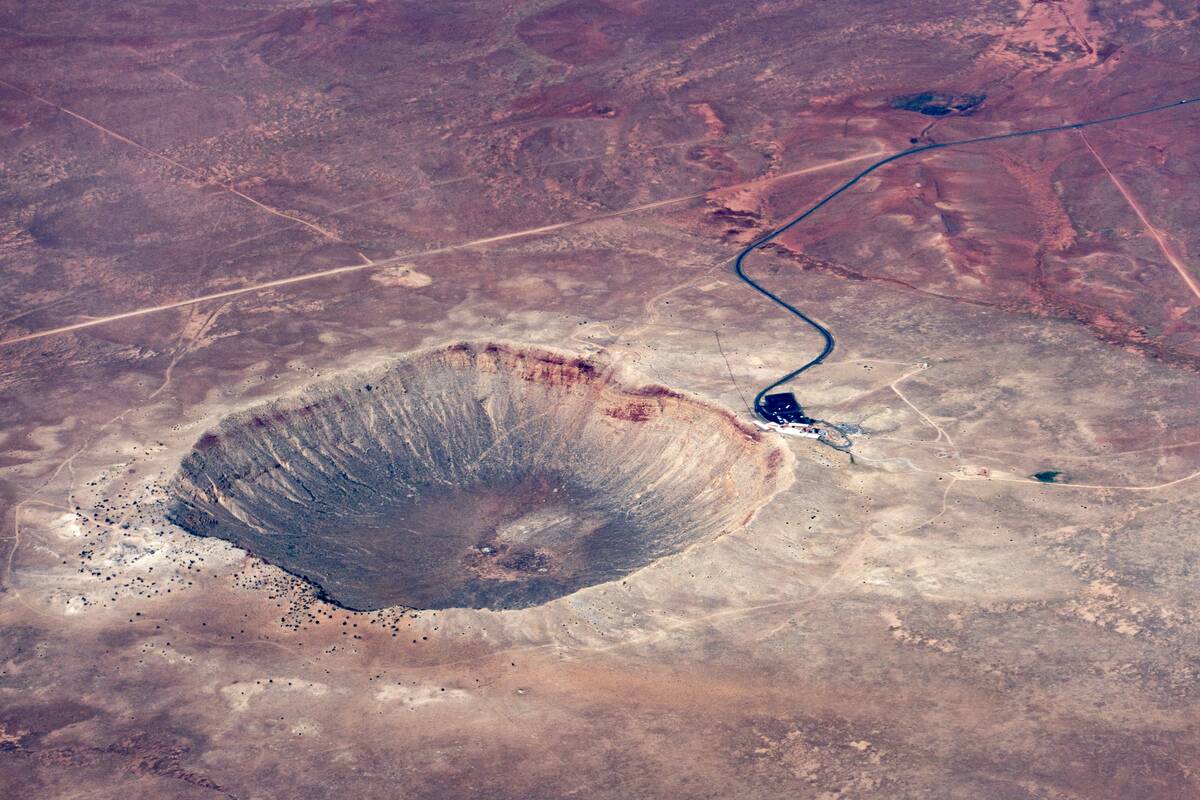
Meteor impacts have played a dramatic role in shaping Earth’s surface. The Chicxulub crater in Mexico, linked to the dinosaur extinction, is a reminder of these cosmic forces. Such impacts can cause massive changes, including tsunamis and climate disruptions.
While rare, they highlight Earth’s vulnerability and the interconnectedness of our planet with the wider cosmos, sparking ongoing scientific exploration and fascination.
The Role of Climate Change in Landscape Evolution

Climate change is a powerful agent of landscape evolution, influencing everything from glacial melting to desert expansion. Warming temperatures accelerate ice melt, contributing to sea level rise and altering coastal landscapes.
Shifts in precipitation patterns can expand deserts and impact agriculture. These changes emphasize the need for understanding and mitigating human impacts on climate, as they have profound implications for Earth’s future landscapes.
The March of Human Influence on Natural Terrains
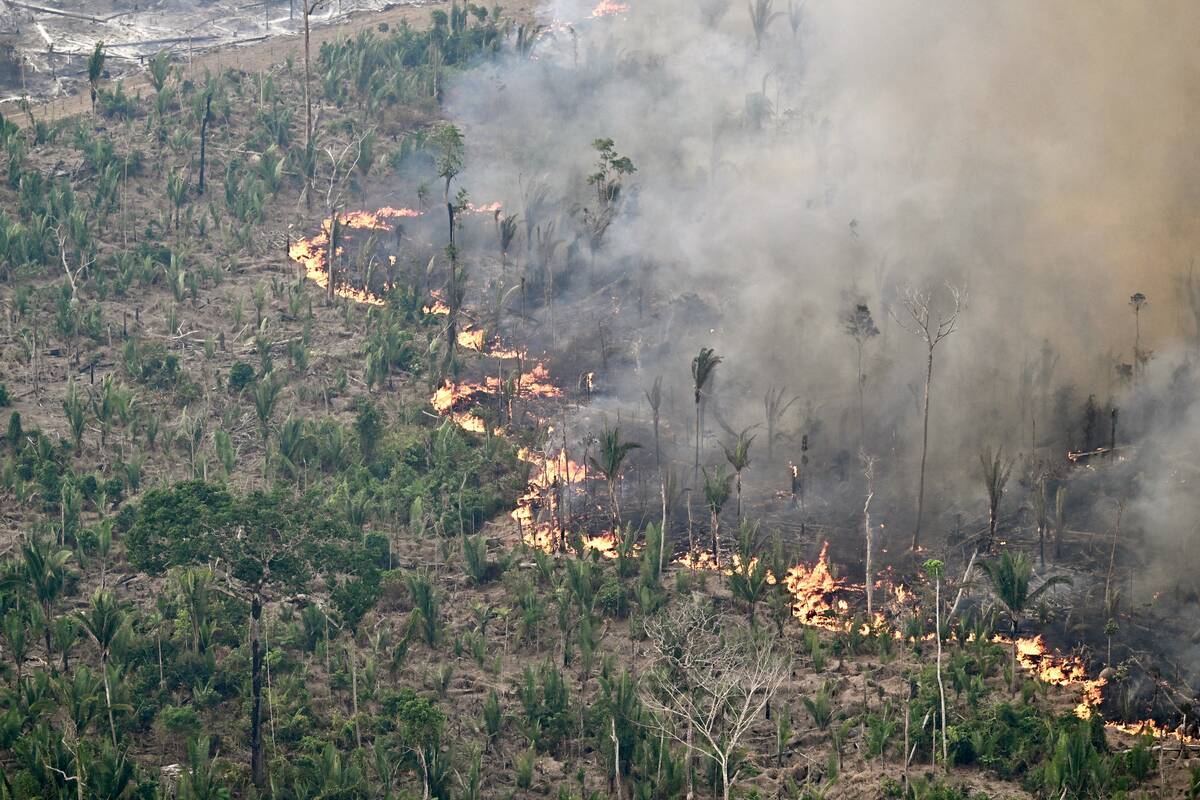
Humans have left an indelible mark on Earth’s landscapes through agriculture, urbanization, and deforestation. The Amazon rainforest, often called the ‘lungs of the Earth,’ faces threats from logging and farming.
Urban sprawl transforms natural terrains into concrete jungles, affecting local ecosystems. These changes highlight the need for sustainable practices, balancing development with conservation to preserve the planet’s natural heritage.
The Future of Landscapes: What Lies Ahead?
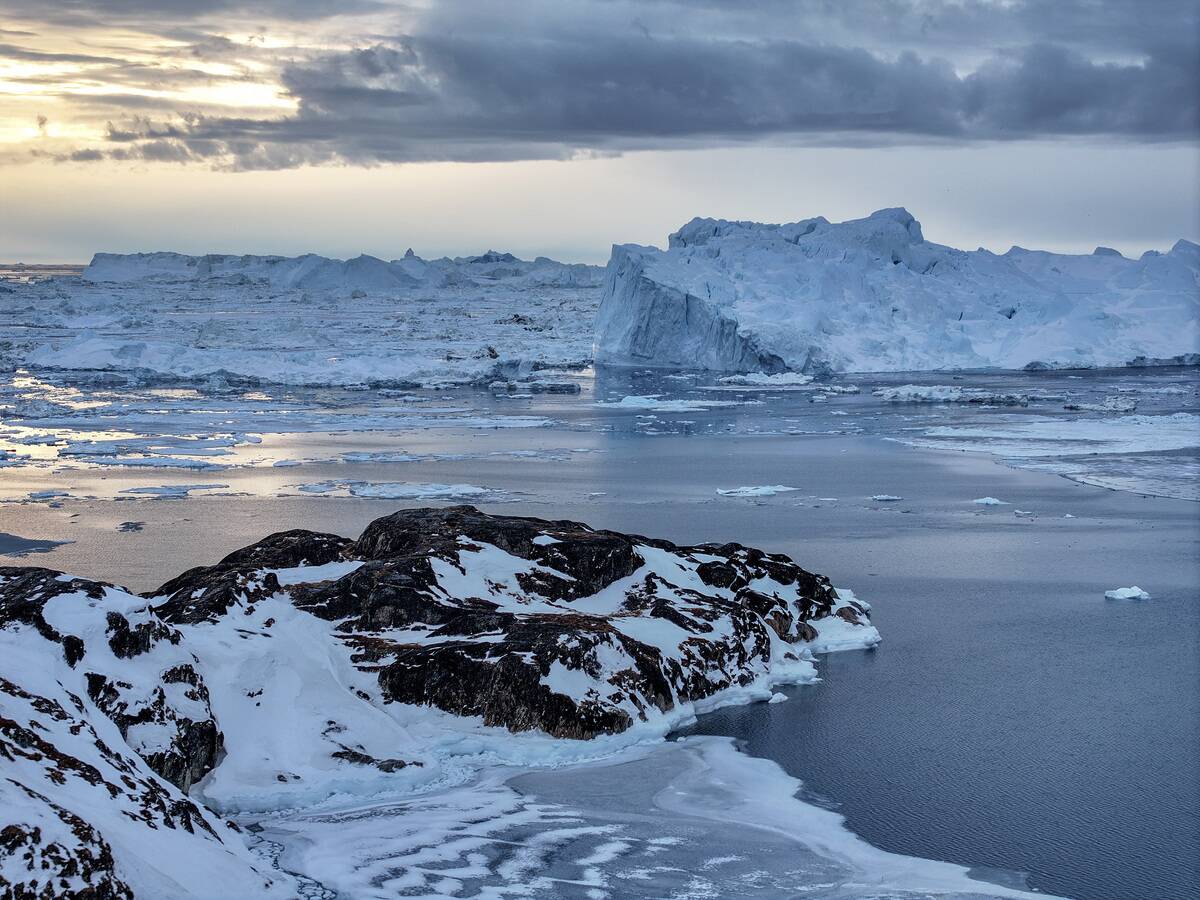
As we look to the future, Earth’s landscapes will continue to evolve under the influence of natural forces and human activity. Climate change and technological advancements will shape these transformations, presenting both challenges and opportunities.
Efforts in conservation and sustainable development will play a crucial role in preserving natural beauty and biodiversity. By understanding and respecting these dynamic processes, we can help ensure a harmonious future for our planet’s landscapes.