14 ancient records that have lasted through time
Endurance records have always captivated the human spirit, offering a testament to our ability to push boundaries. From ancient times to the modern era, these records reflect a universal desire to transcend limitations.
They aren’t just about physical prowess but also mental resilience. Whether running a marathon or traversing continents, endurance challenges tell stories of determination. It’s fascinating how these feats inspire us to imagine the impossible and strive for greatness in our own lives.
The Origins of Human Fascination with Endurance
Our fascination with endurance can be traced back to our earliest ancestors, who relied on stamina for survival. Hunting and gathering required long hours of walking and running. Over time, these survival skills evolved into competitive challenges.
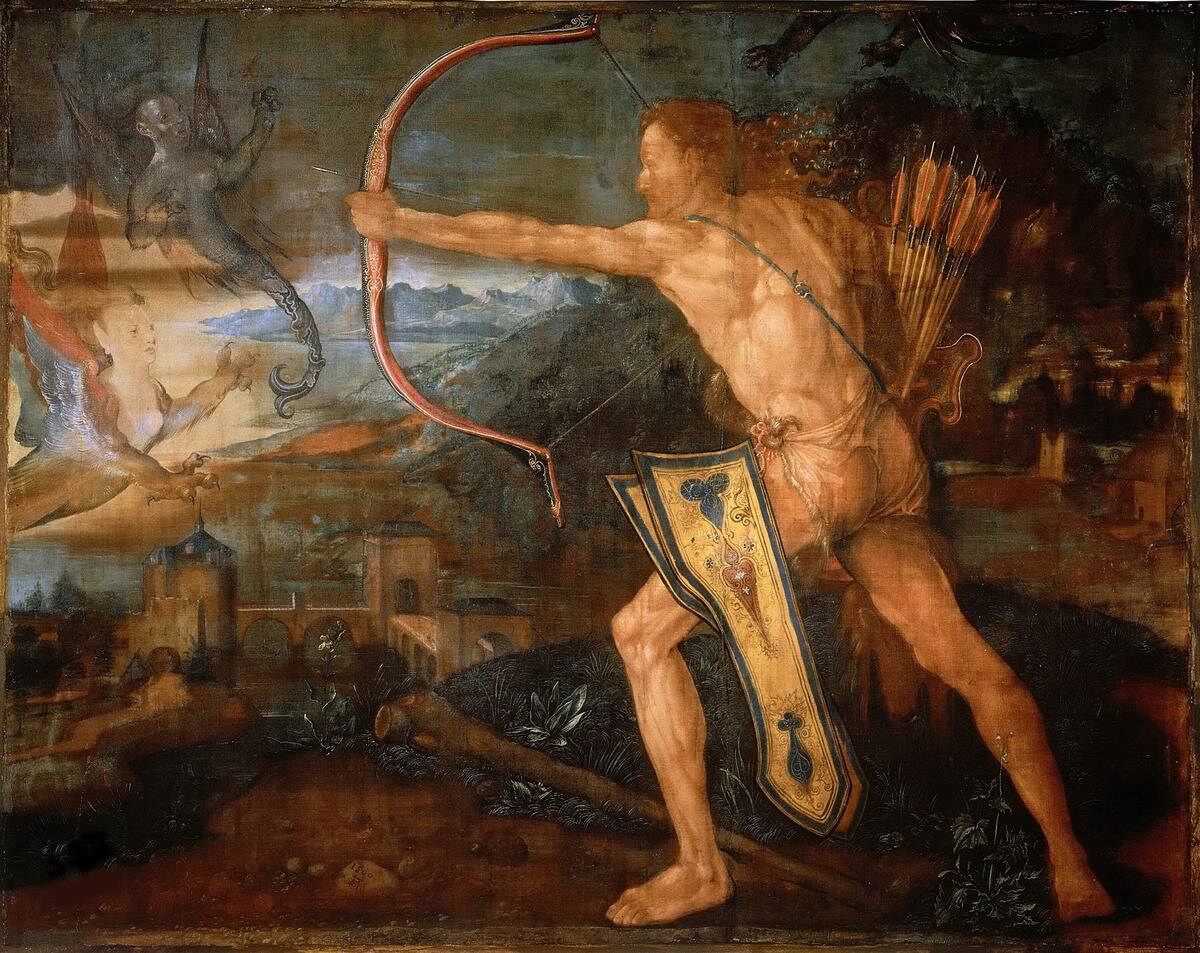
Ancient stories, like those of Hercules, celebrated strength and resilience. This cultural admiration for stamina laid the groundwork for organized endurance events. It’s a human trait to admire those who can push beyond ordinary limits, reflecting our deep-seated need for exploration.
Ancient Marathoners: The Birth of the Long-Distance Race
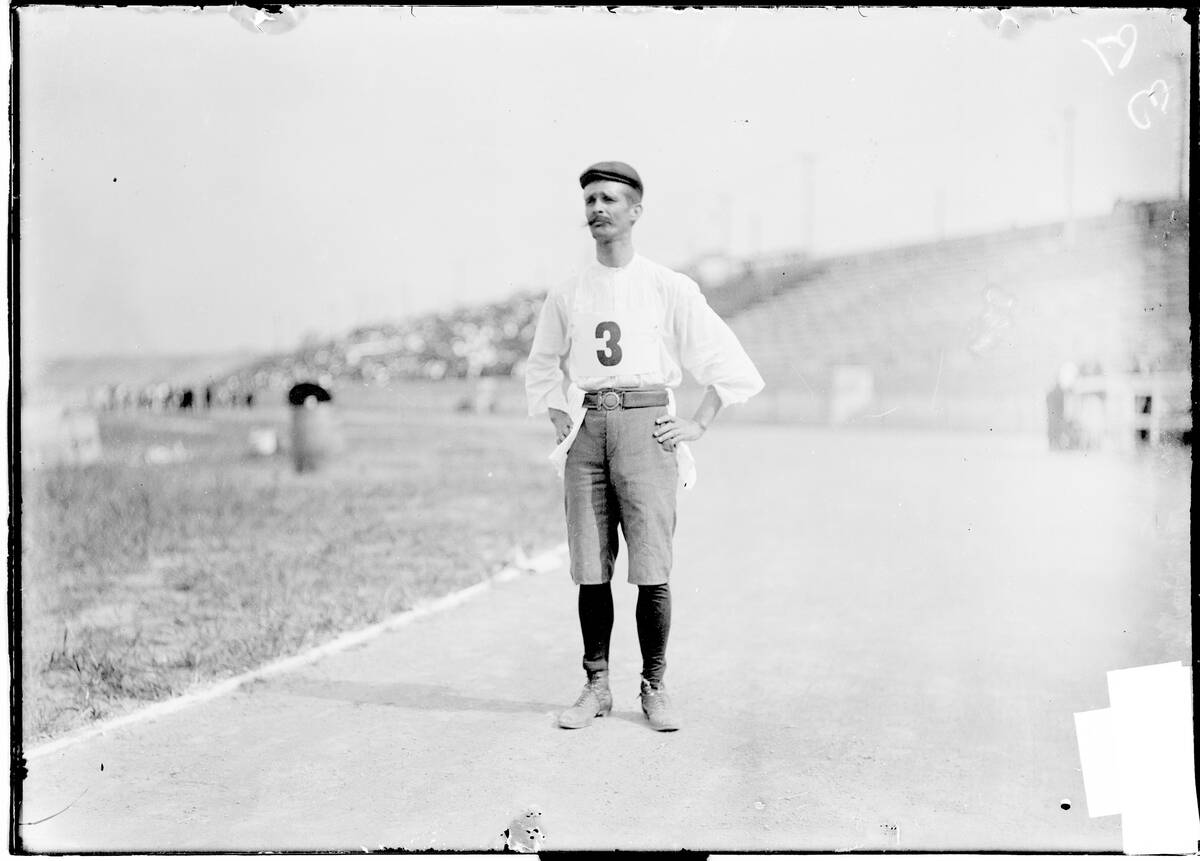
The story of the first marathon is legendary, harking back to ancient Greece when Pheidippides ran from Marathon to Athens. Covering approximately 25 miles, this feat marked the birth of the marathon race.
His run was not just about delivering a message but symbolized victory and endurance. This historical event inspired the modern marathon, a staple of athletic competitions worldwide. Today, marathons are a celebration of human perseverance, drawing participants from all corners of the globe.
The Spartathlon: Retracing the Steps of Pheidippides

The Spartathlon is a grueling race that retraces Pheidippides’ legendary journey from Athens to Sparta. Spanning 153 miles, it challenges even the most seasoned athletes. Founded in 1983, it serves as a homage to ancient endurance.
The route takes runners through diverse terrains, echoing the historical path taken by Pheidippides. This race is a testament to the enduring human spirit, attracting participants who seek to test their limits and connect with history through physical challenge.
The Olympic Games: Ancient Feats of Stamina

The ancient Olympic Games were a celebration of physical endurance and skill. Events like the pentathlon and the long race tested athletes’ stamina. These games were not just sporting events but were deeply intertwined with Greek culture and religion.
Held every four years in Olympia, they attracted competitors from across the Greek world. The spirit of these early Olympics lives on today, inspiring athletes globally to push their limits in pursuit of excellence and honor.
Roman Gladiators: Endurance in the Amphitheaters
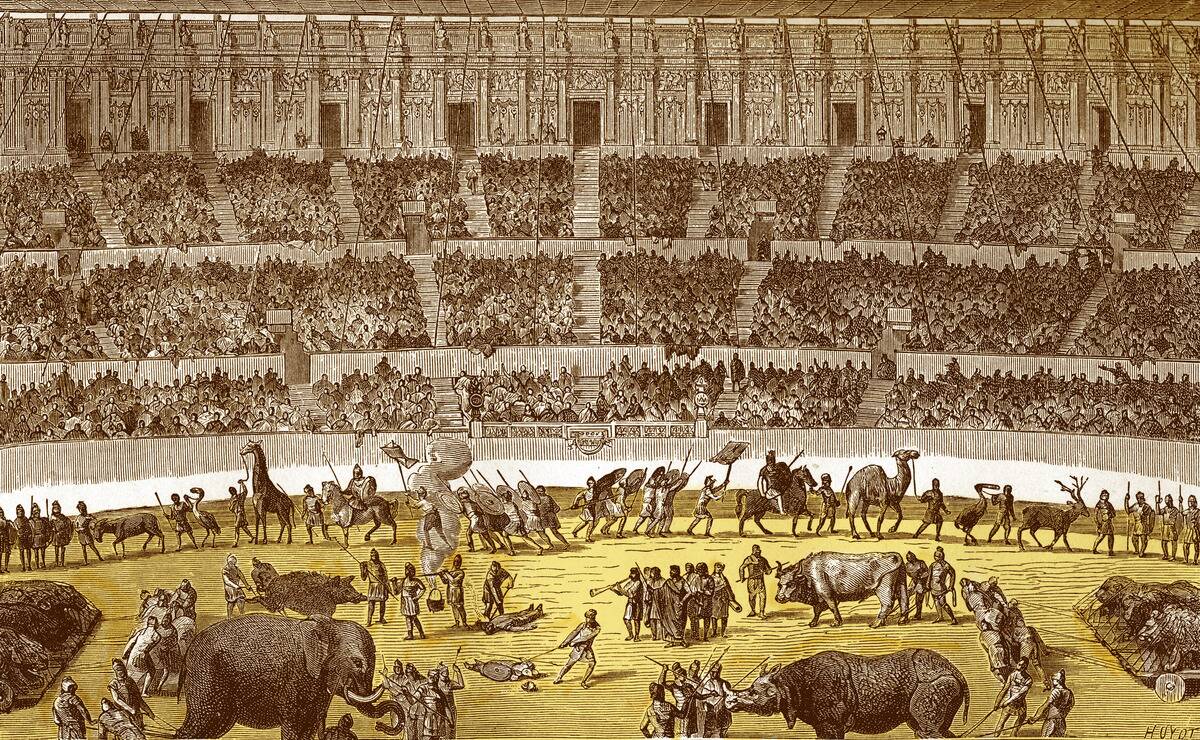
Roman gladiators were the epitome of endurance, fighting in arenas like the Colosseum. These warriors trained rigorously, building both strength and stamina. Gladiatorial games were not only about combat but also endurance, with fights lasting long hours.
The audience marveled at their resilience, and their stories became legends. Despite the brutal nature of the games, gladiators held a revered place in Roman society, symbolizing the ultimate test of human endurance amidst adversity.
The Colosseum’s Marathon Runners: Gladiators of the Sand
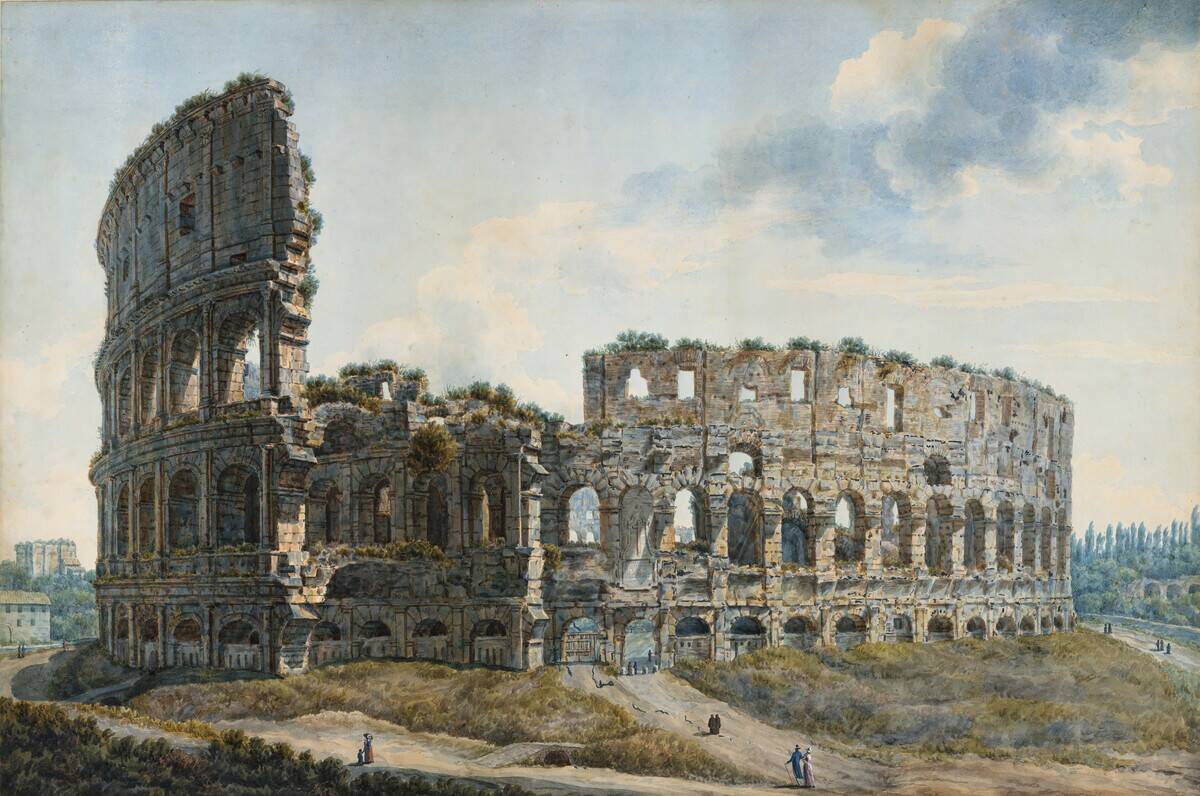
Within the mighty walls of the Colosseum, gladiators battled not just opponents but also their physical limits. Known as the ‘Marathon Runners’ of the sand, these fighters demonstrated the pinnacle of endurance.
Their ability to withstand long, grueling battles without faltering captivated Roman audiences. The tales of these gladiators’ endurance have been passed down through history, highlighting their extraordinary resilience. They remain a symbol of human tenacity in the face of overwhelming odds.
The Great Wall Walkers: A Test of Endurance through Dynasties
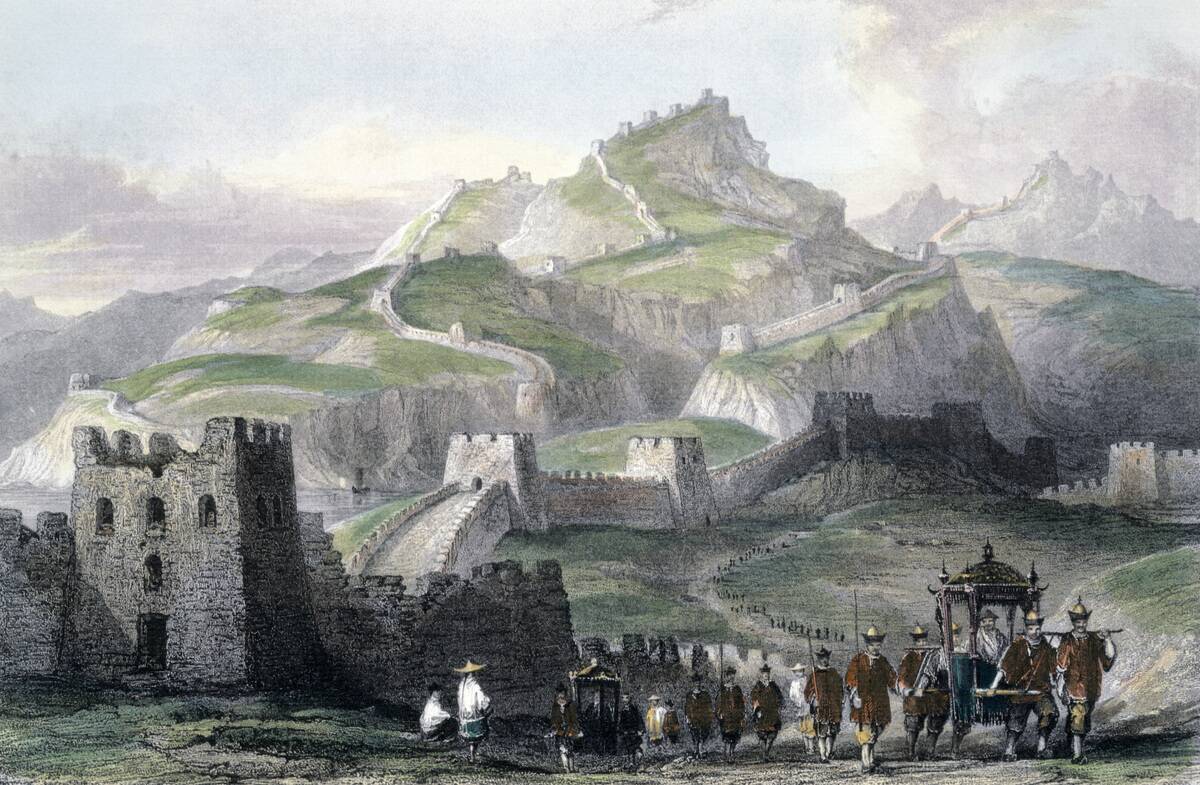
The construction of the Great Wall of China was an unparalleled feat of endurance, stretching over 13,000 miles across diverse terrains. Workers, known as the ‘Great Wall Walkers,’ endured harsh conditions to build this monumental structure.
The wall served as a defense mechanism, requiring constant maintenance and patrol. The endurance of those who built and guarded it is celebrated in Chinese history. Today, the Great Wall stands as a testament to human perseverance and architectural ingenuity.
The Pharaohs’ Endurance Tests: Ancient Egyptian Challenges
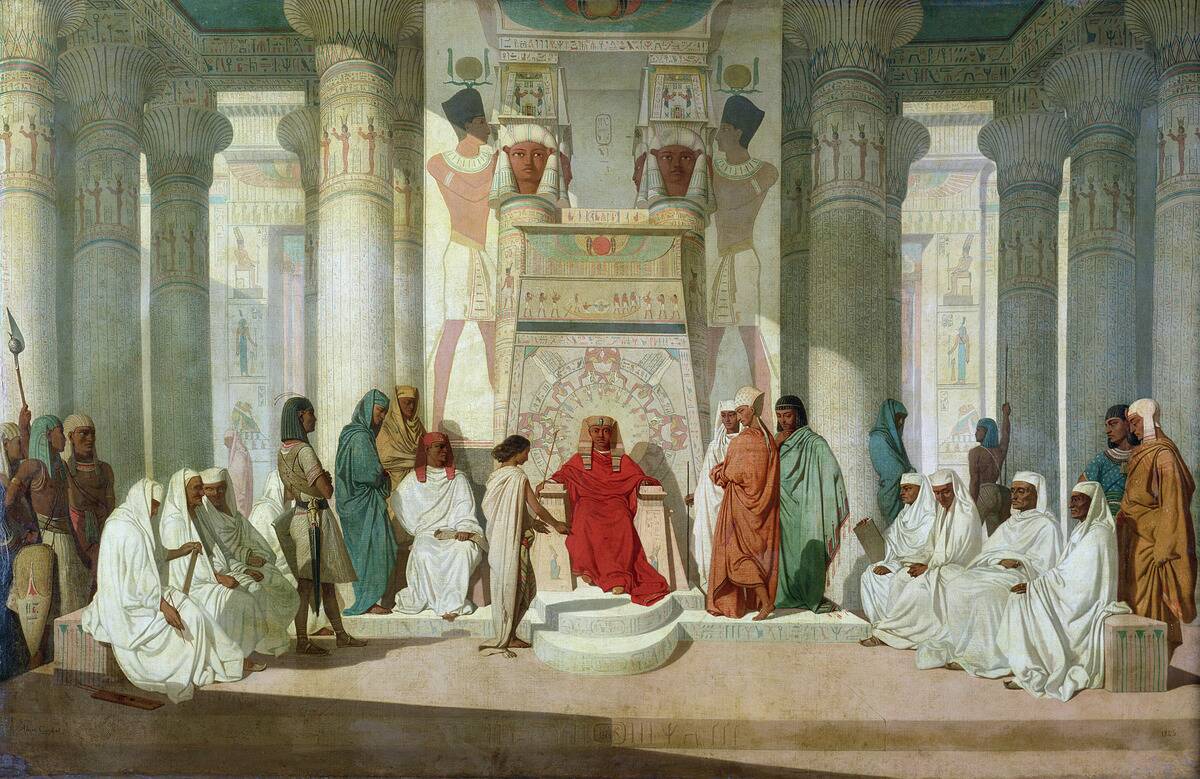
In ancient Egypt, endurance was a revered quality, celebrated through various challenges. Pharaohs often organized events to test the stamina of their warriors and workers. These tests included long-distance running and rowing competitions along the Nile.
The challenges were not only about physical strength but also about demonstrating loyalty and resilience. Such events reinforced the power of the Pharaohs and the importance of endurance in the Egyptian way of life, leaving a legacy that echoes through history.
The Mesopotamian Legacy: Stamina in Early Civilizations
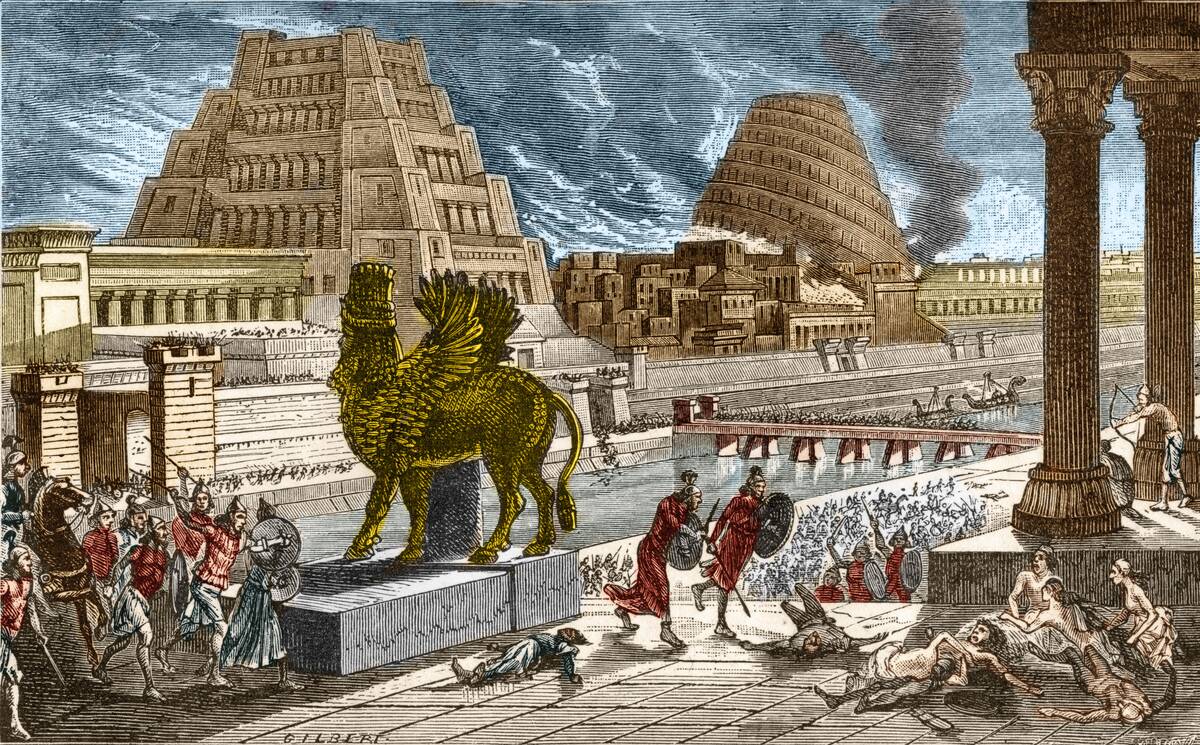
Mesopotamia, often referred to as the cradle of civilization, had its own traditions of endurance. The agricultural lifestyle required significant physical exertion, fostering a culture that valued stamina.
Epic tales like that of Gilgamesh highlight the importance of strength and perseverance. This legacy of endurance influenced neighboring cultures and laid the groundwork for future endurance competitions. Mesopotamia’s emphasis on stamina reflects humanity’s enduring quest to conquer challenges and thrive in diverse environments.
Mayan Ballgame: More Than Just a Sport
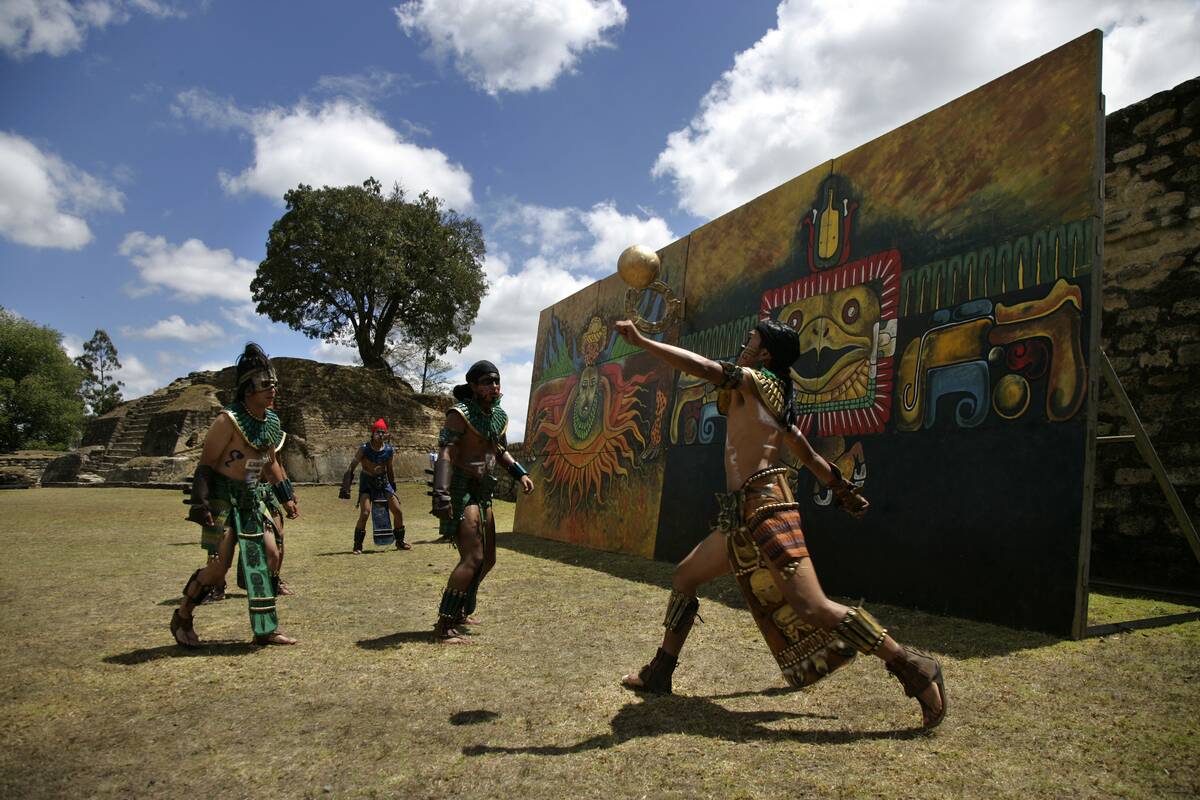
The ancient Mayan ballgame was a test of both skill and endurance. Played on a large court, the objective was to pass a rubber ball through a stone hoop using only hips, shoulders, or forearms. Matches could last for hours, exhausting players’ stamina.
More than just a sport, it had deep religious and cultural significance. Winning was a matter of honor, while losing could mean grave consequences. This game highlighted the Mayans’ appreciation for endurance and strategic thinking.
The Incan Trails: Endurance in the Andes
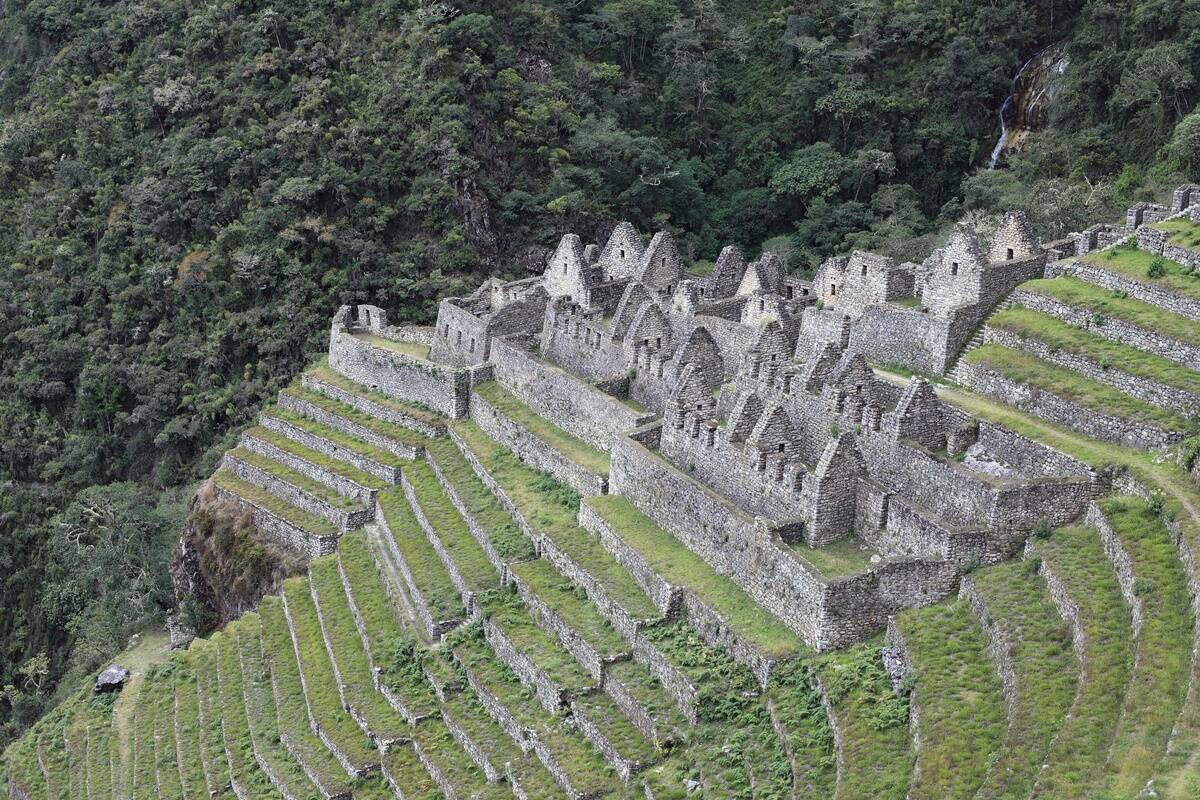
The Incas were renowned for their sprawling network of trails across the Andes, known as the Qhapaq Ñan. These routes demanded exceptional endurance from the runners, or chasquis, who delivered messages across the empire. Traversing steep mountains and varied altitudes, these messengers embodied resilience.
The trails also supported trade and communication, vital for the empire’s cohesion. The Incas’ reliance on human endurance remains a remarkable aspect of their civilization, showcasing their adaptability to challenging environments.
Viking Voyages: Navigating the Seas with Grit

The Vikings were legendary seafarers, known for their remarkable endurance on long voyages. Their ships, equipped for speed and durability, carried them across vast, uncharted waters. Navigating using stars and natural signs, Vikings endured harsh weather conditions.
These voyages were not only for exploration but also for trade and conquest. The endurance required for such journeys is a testament to their grit and determination, leaving a legacy of exploration and resilience that resonates through history.
The Pilgrims’ Path: Medieval Endurance Pilgrimages
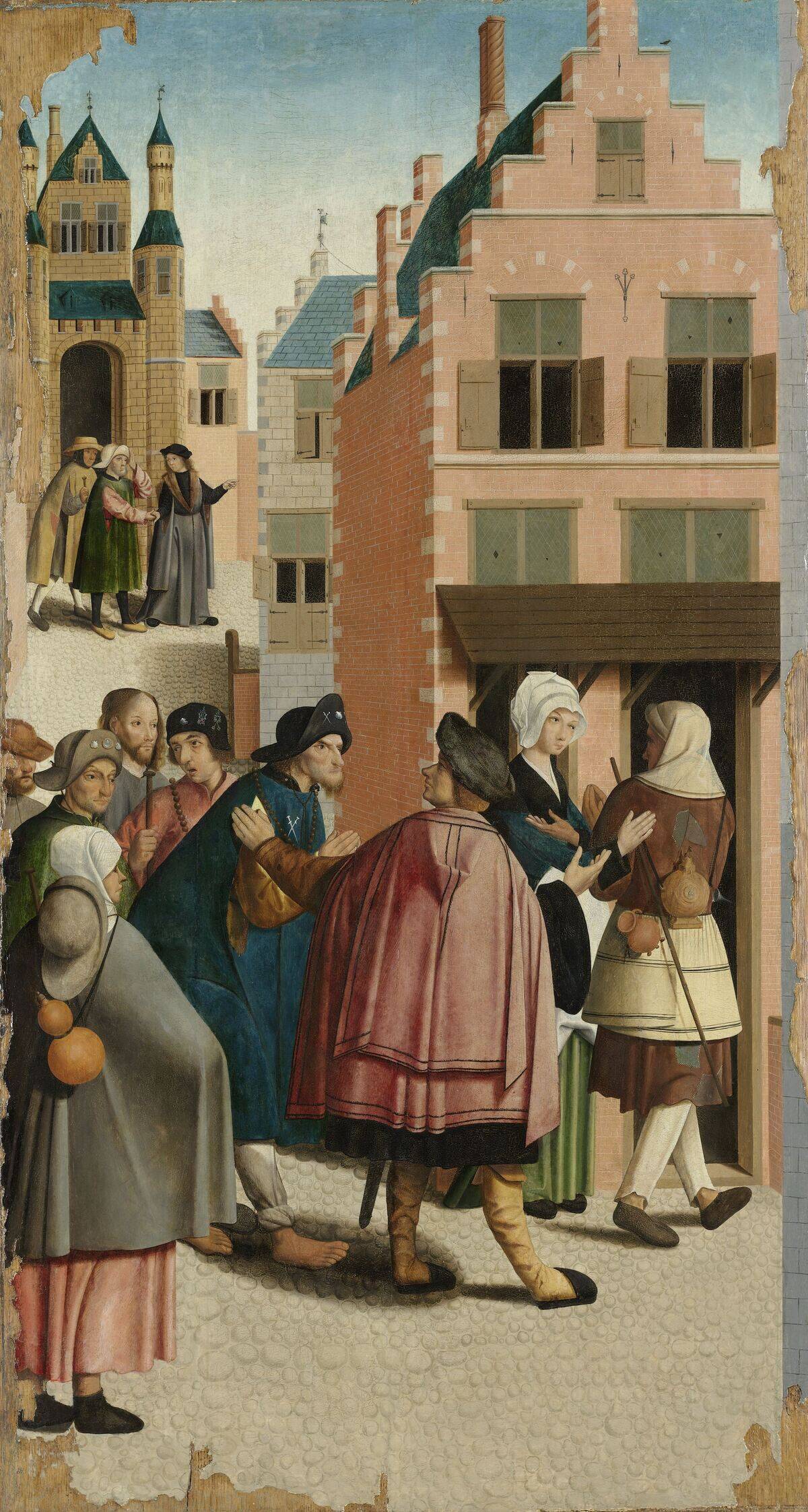
Medieval pilgrims embarked on arduous journeys to sacred sites, testing their endurance and faith. These pilgrimages, like the Camino de Santiago, could span hundreds of miles. Travelers faced challenging terrain and unpredictable weather, relying on their stamina and the hospitality of strangers.
Pilgrimages were spiritual quests, offering a path to redemption and enlightenment. The endurance required for these journeys reflects the pilgrims’ devotion and the medieval belief in physical trials as a means to spiritual growth.
The Silk Road: Trading Routes and Endurance Challenges

The Silk Road was a network of trade routes connecting the East and West, demanding significant endurance from merchants and travelers. Spanning thousands of miles, it crossed deserts, mountains, and vast plains. Caravans faced harsh climates and bandit threats, requiring resilience and cooperation.
The endurance of those who traversed the Silk Road facilitated cultural exchanges and economic prosperity. This historic trade network showcases human adaptability and the relentless pursuit of opportunity across challenging landscapes.




