How societies prospered without written records
Imagine a world where the written word doesn’t exist, where stories are passed down through generations solely by memory and storytelling. This world is not a figment of imagination but a reality for countless cultures throughout history.
Oral traditions have been the backbone of many societies, preserving their history, beliefs, and identity without pen and paper. These traditions thrive on the rich tapestry of spoken word, music, art, and dance, ensuring that the essence of culture lives on.
The Oral Traditions: Keeping History Alive
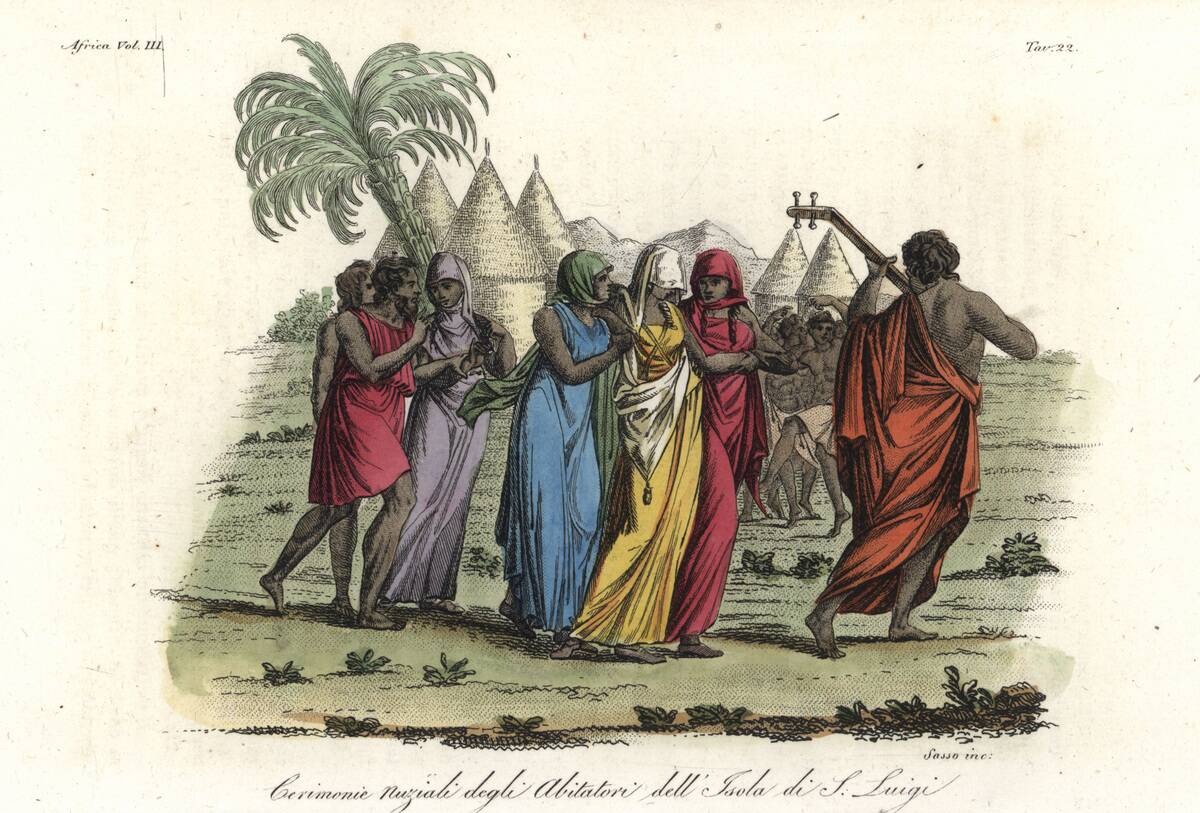
Oral traditions are a fascinating way that cultures have kept their history alive, often characterized by stories, songs, and rituals. These traditions are not static; they evolve with each retelling, allowing for adaptation while maintaining core truths.
Griots, for example, are storytellers in West Africa who serve as living libraries, preserving genealogies and historical narratives. This method of transmission highlights the importance of memory, community, and the spoken word as tools for cultural continuity.
The Inca Empire: Knotting the Past with Quipus
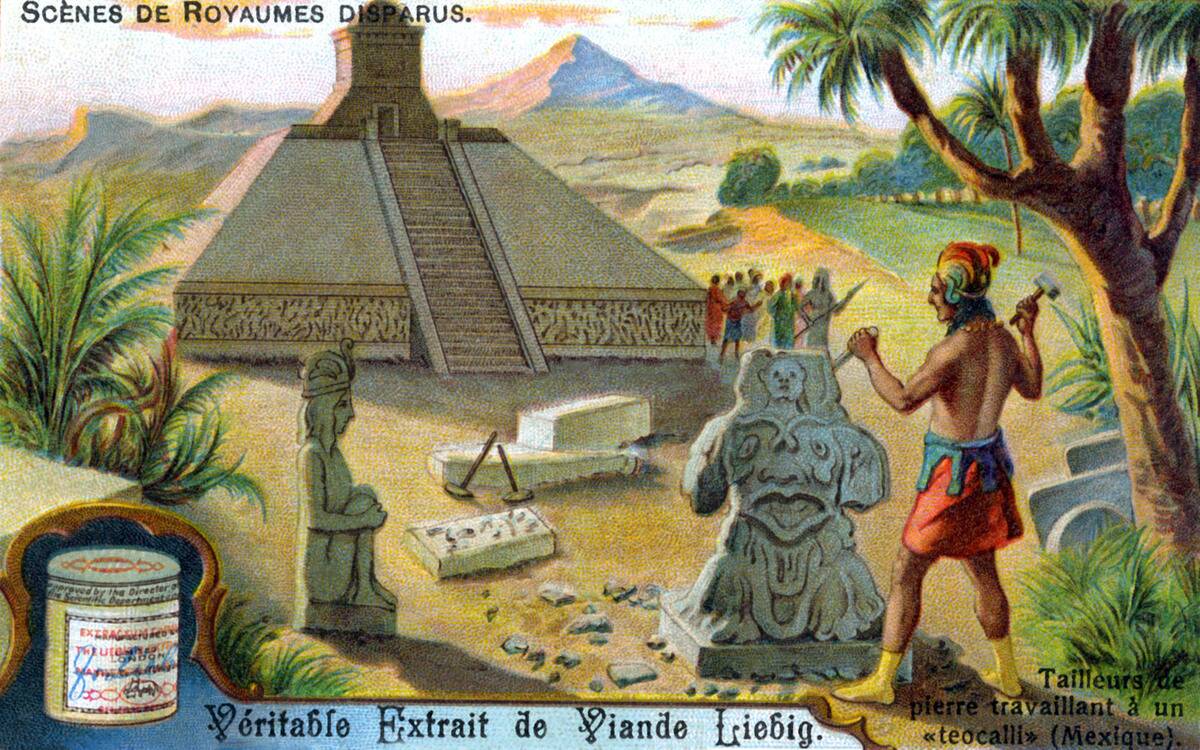
In the mighty Inca Empire, words were woven into strings called quipus. These intricate knots served as a recording device, capturing everything from census data to stories. While not a language in the traditional sense, quipus were an ingenious way to document information when writing systems were absent.
This method allowed the Inca to keep precise records, effectively managing their vast empire and ensuring their legacy was passed through generations.
Aboriginal Australians: Dreamtime Stories and Songlines
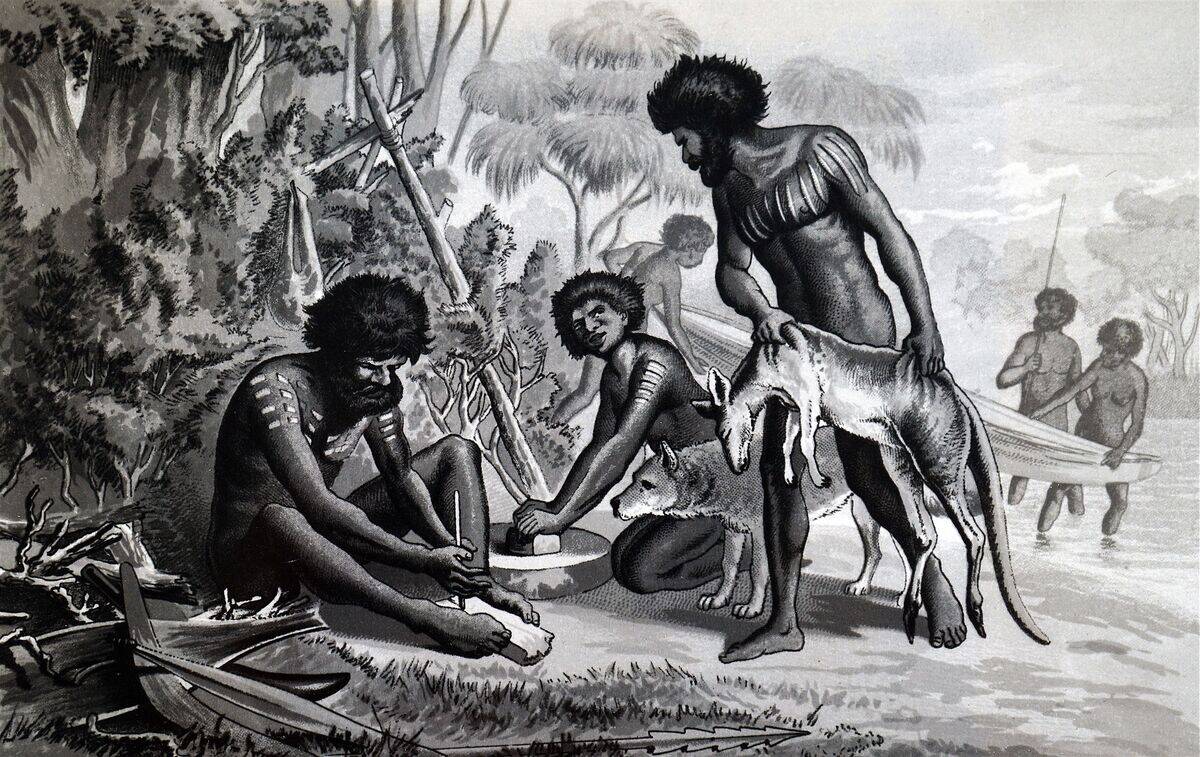
For Aboriginal Australians, the Dreamtime is a sacred era of creation, encapsulated in stories that are both spiritual and historical. These stories are part of songlines, which are musical maps of the land. Each songline tells the tale of ancestral beings and is a navigational tool, guiding travelers across vast landscapes.
The intertwining of song and story in Aboriginal culture demonstrates a profound connection to the land and a unique way of preserving their rich heritage.
The Ancient Hawaiians: Hula and the Art of Storytelling
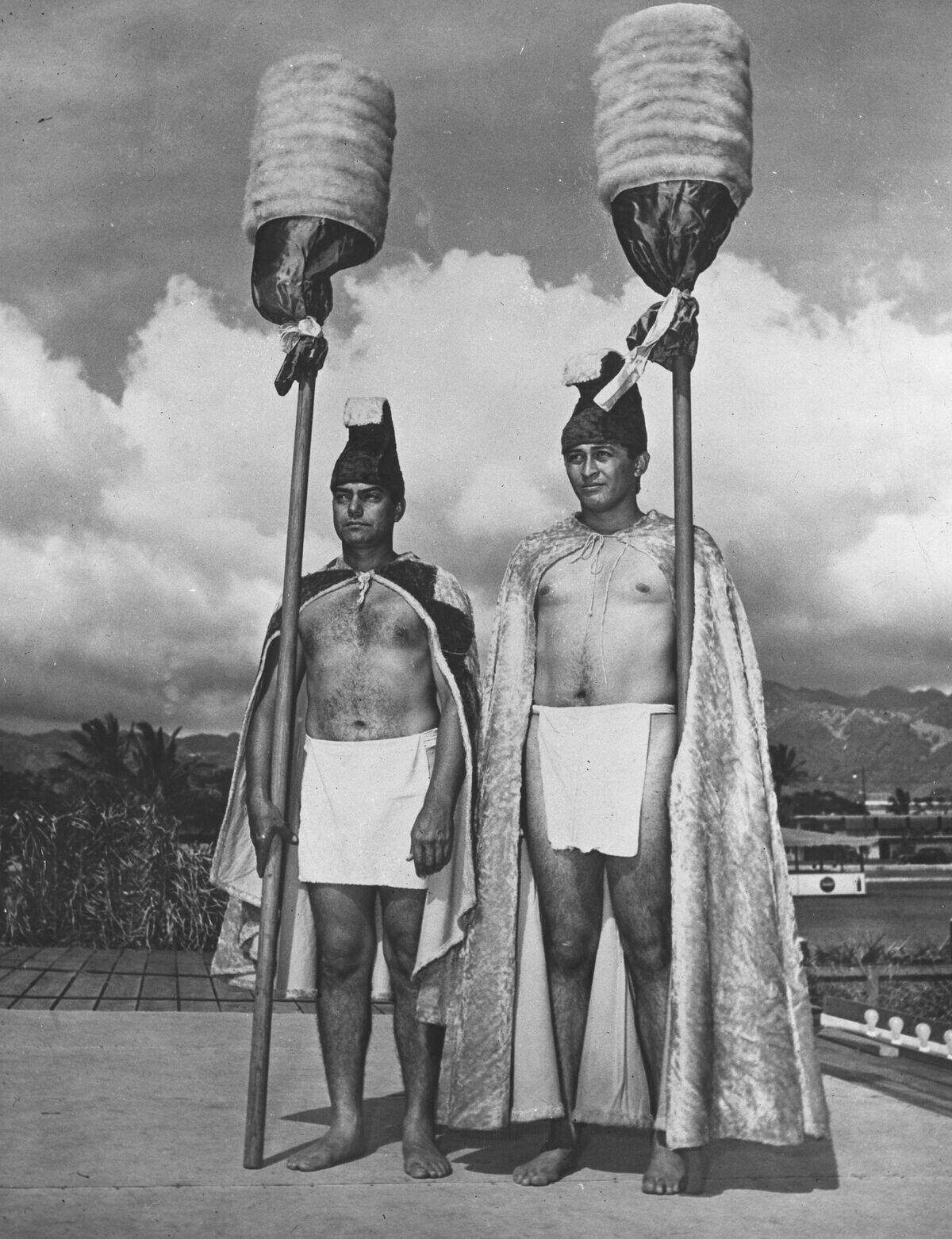
Hula, the iconic dance of Hawaii, is more than just a performance; it is a narrative art form. Each movement in hula conveys a specific story, emotion, or historical event, passed down through generations.
Accompanied by chants known as mele, hula serves as a living library of Hawaiian culture. This dynamic storytelling method preserves the islands’ history and traditions, ensuring that the spirit and knowledge of the ancients remain vibrant and alive today.
The Viking Sagas: Passed Down from Generation to Generation
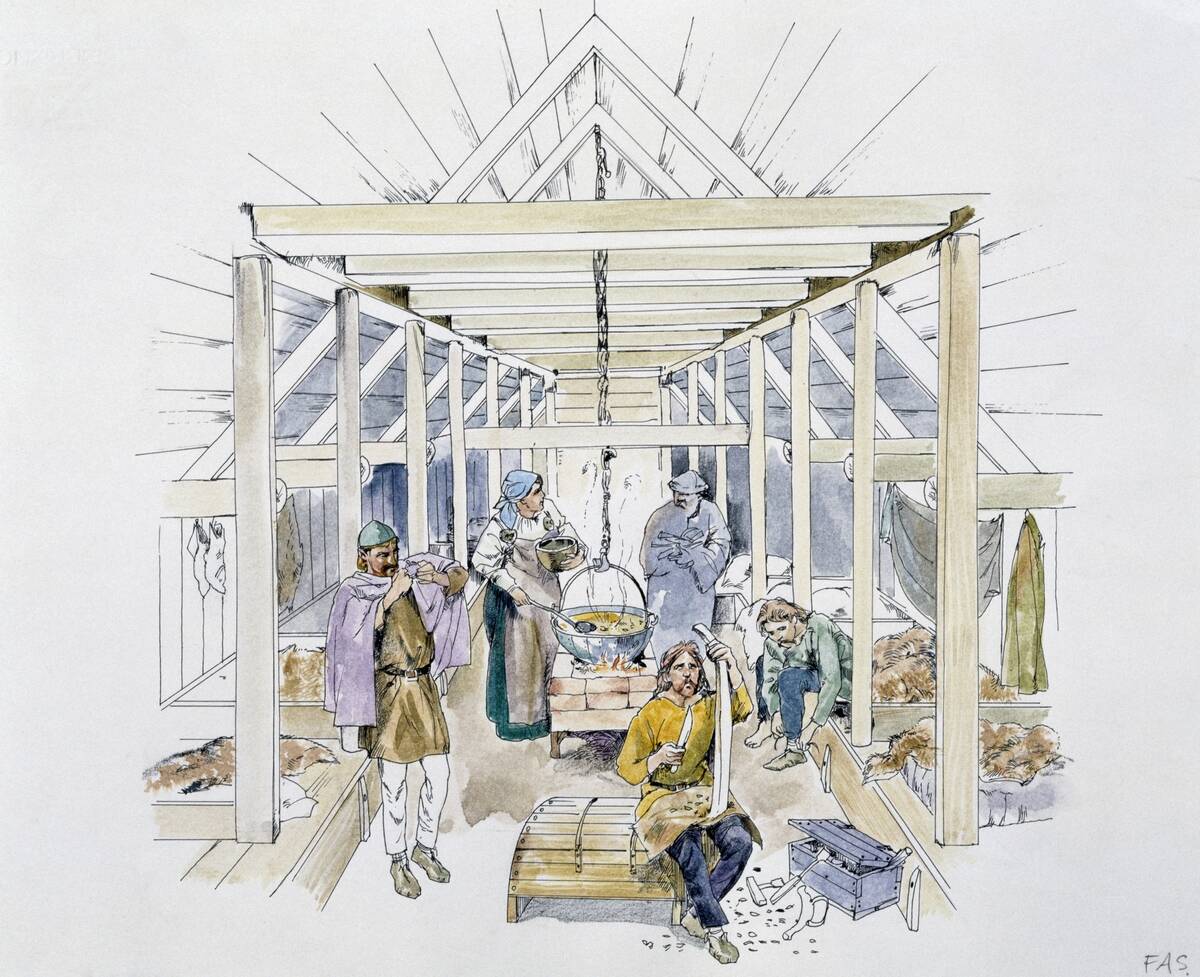
The Viking sagas are epic tales of adventure, exploration, and heroism, passed down orally long before they were ever written. These stories immortalized Norse gods, legendary kings, and daring sea voyages, serving as both entertainment and moral instruction.
The sagas were often shared during gatherings, where skilled storytellers would captivate audiences with their dramatic flair. This oral tradition not only preserved Viking history but also helped shape the cultural identity of Scandinavian peoples.
The Maasai of East Africa: Legends of the Savannah
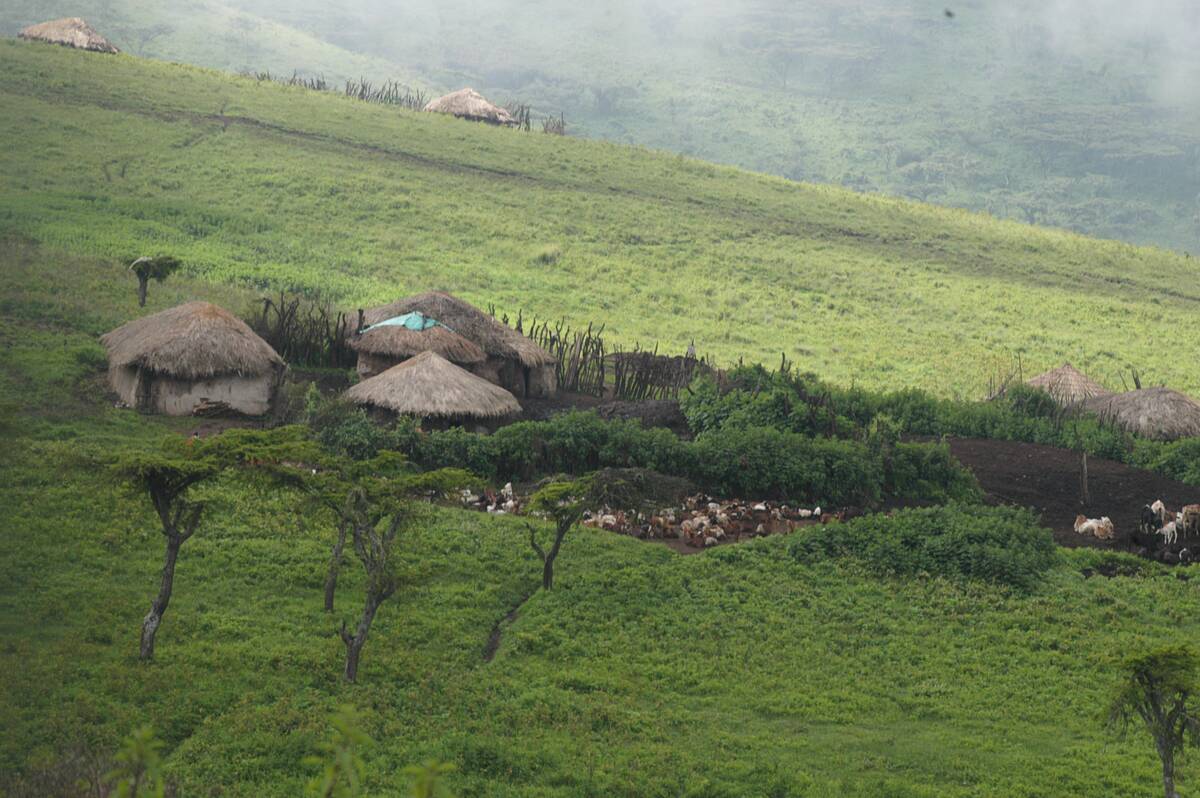
The Maasai people of East Africa are renowned for their rich oral traditions, which include stories, songs, and proverbs. These narratives are deeply connected to the natural world, reflecting the Maasai’s intimate relationship with the savannah.
Elders play a crucial role in passing down these legends, ensuring that the wisdom and values of the community are preserved. Through storytelling, the Maasai maintain a strong sense of identity and continuity, rooted in the timeless landscapes of East Africa.
Native American Tribes: The Power of Oral Narratives
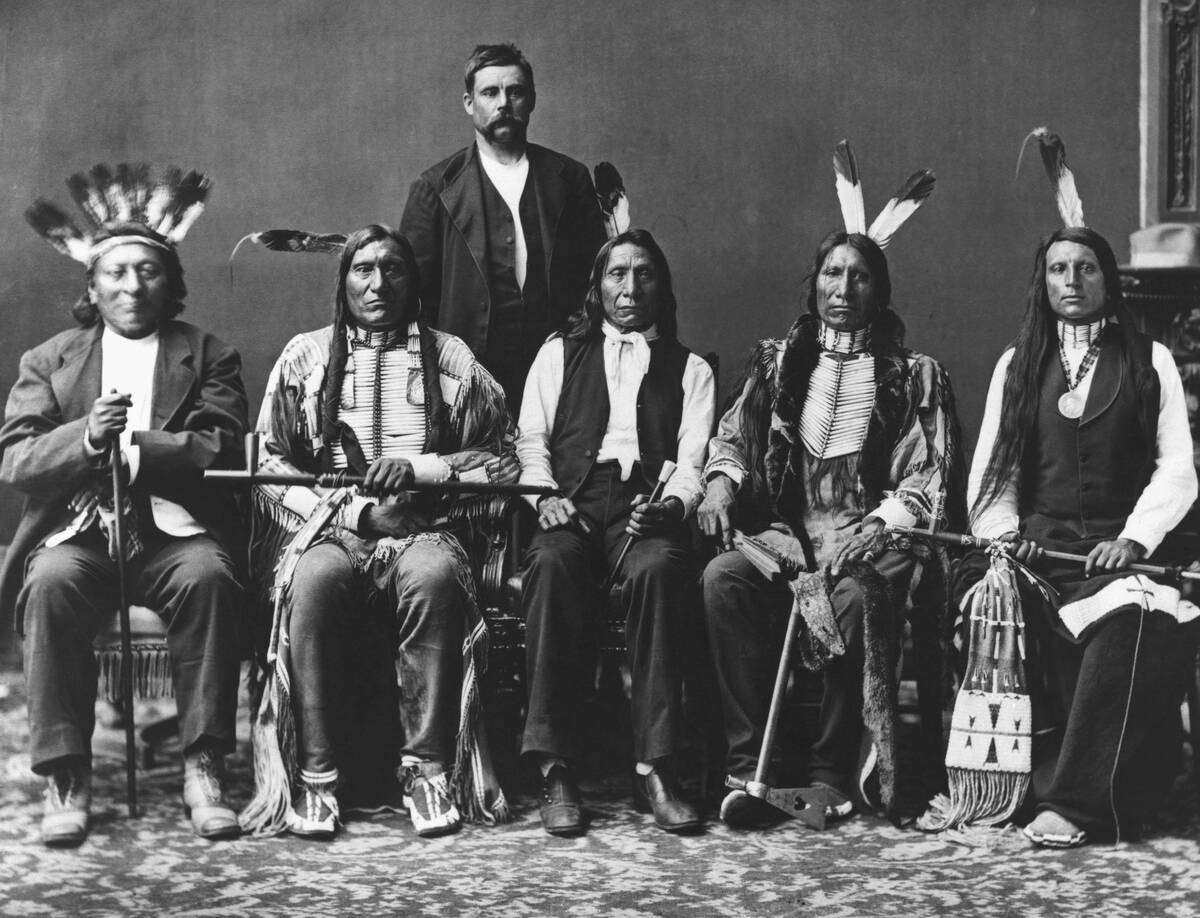
Native American tribes have long relied on oral narratives to convey their histories, beliefs, and cultural values. Stories like the Lakota’s tale of the White Buffalo Calf Woman are rich with symbolism and spiritual meaning.
These narratives are often accompanied by music, dance, and art, creating a multi-sensory experience. By preserving these oral traditions, Native American tribes maintain a vital connection to their ancestors and ensure that their cultural heritage endures.
The San People: Rock Art as a Storytelling Medium
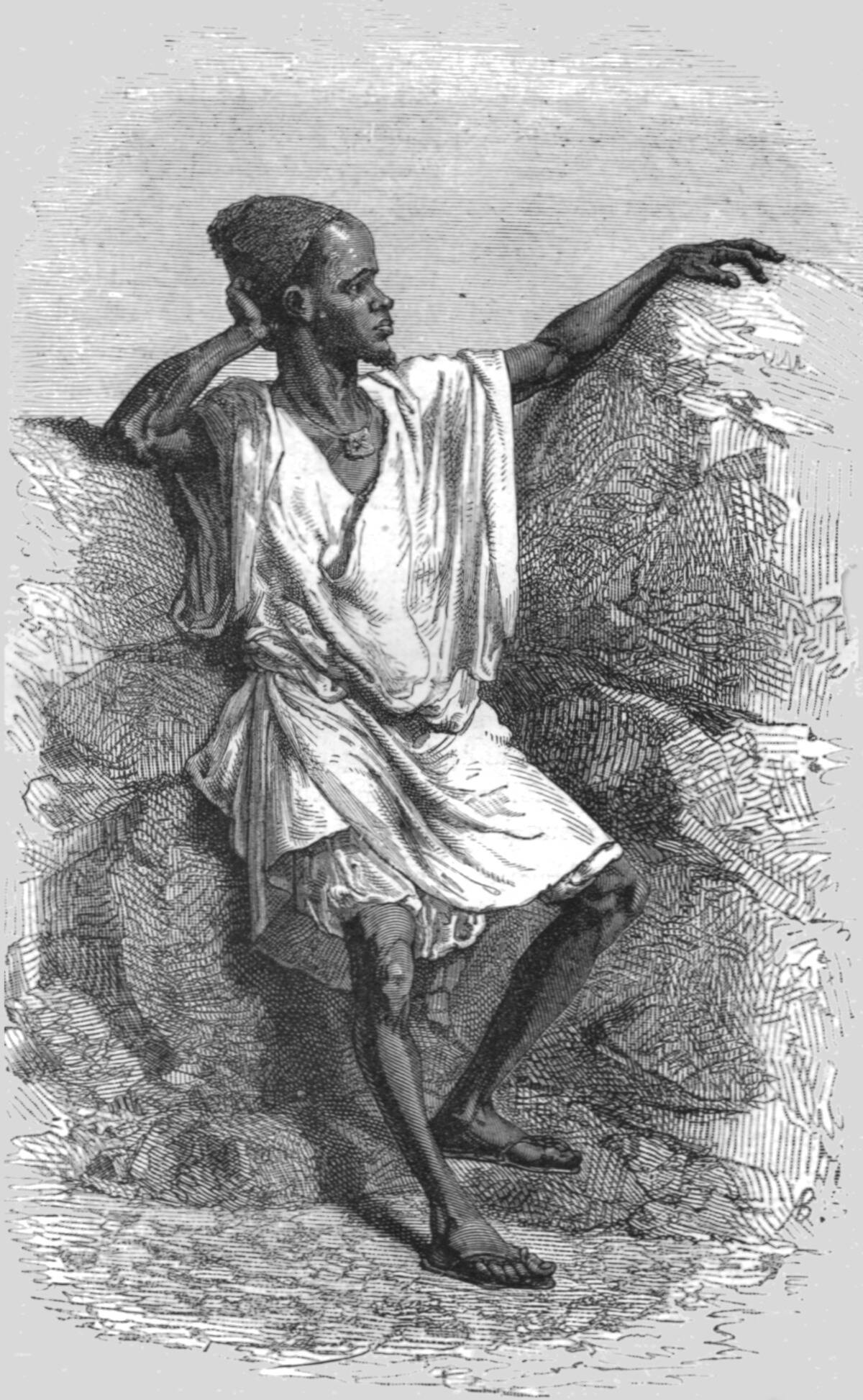
The San people of southern Africa use rock art as a unique storytelling medium. These ancient paintings depict scenes from daily life, spiritual rituals, and mythical tales. Created over thousands of years, the rock art serves as a visual narrative, capturing the essence of San culture and history.
This form of storytelling highlights the San’s deep connection to the land and their belief in the spiritual world, providing valuable insights into their way of life.
The Maori of New Zealand: The Legacy of Whakapapa
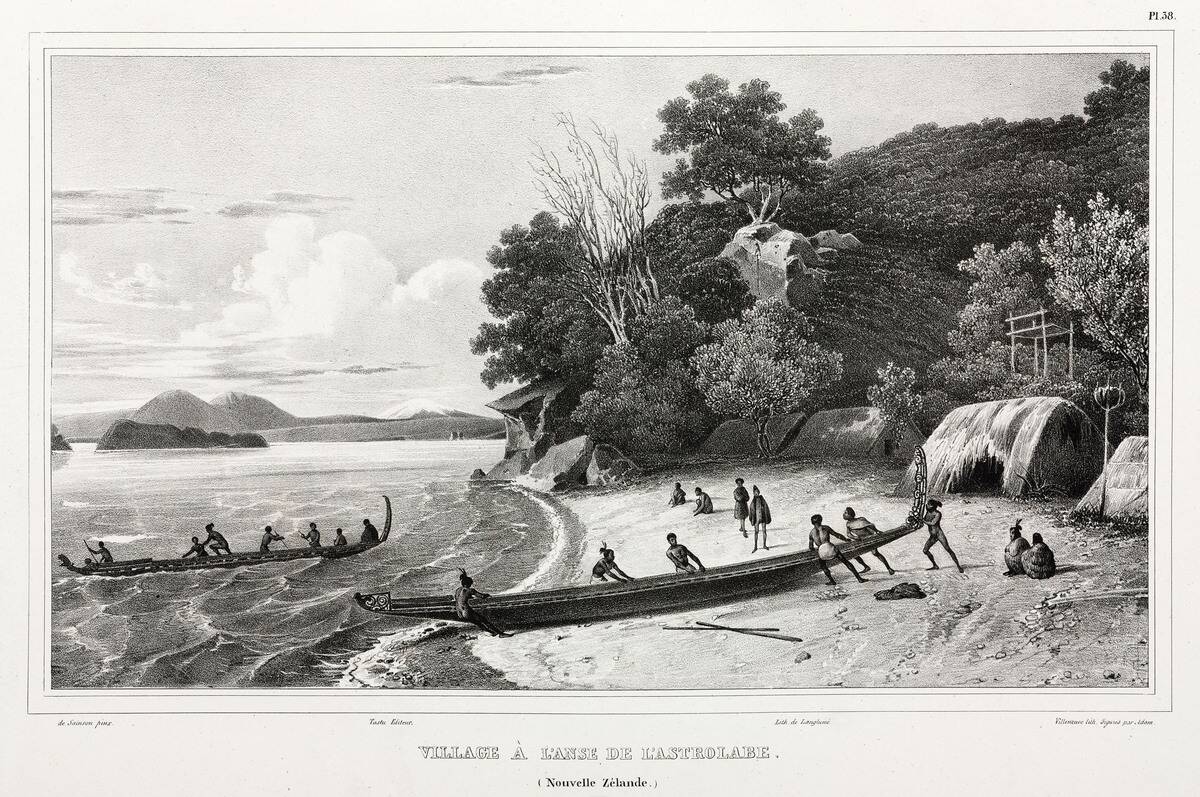
The Maori of New Zealand preserve their history and genealogy through whakapapa, a system of oral tradition that traces lineage back to the gods. This intricate storytelling method is a cornerstone of Maori culture, emphasizing the importance of ancestry and identity.
Whakapapa is shared through stories, songs, and carvings, ensuring that each generation understands their place within the larger tapestry of their people. This legacy of oral tradition reinforces the unity and resilience of the Maori.
The Celtic Tribes: Bards and Oral Poetry
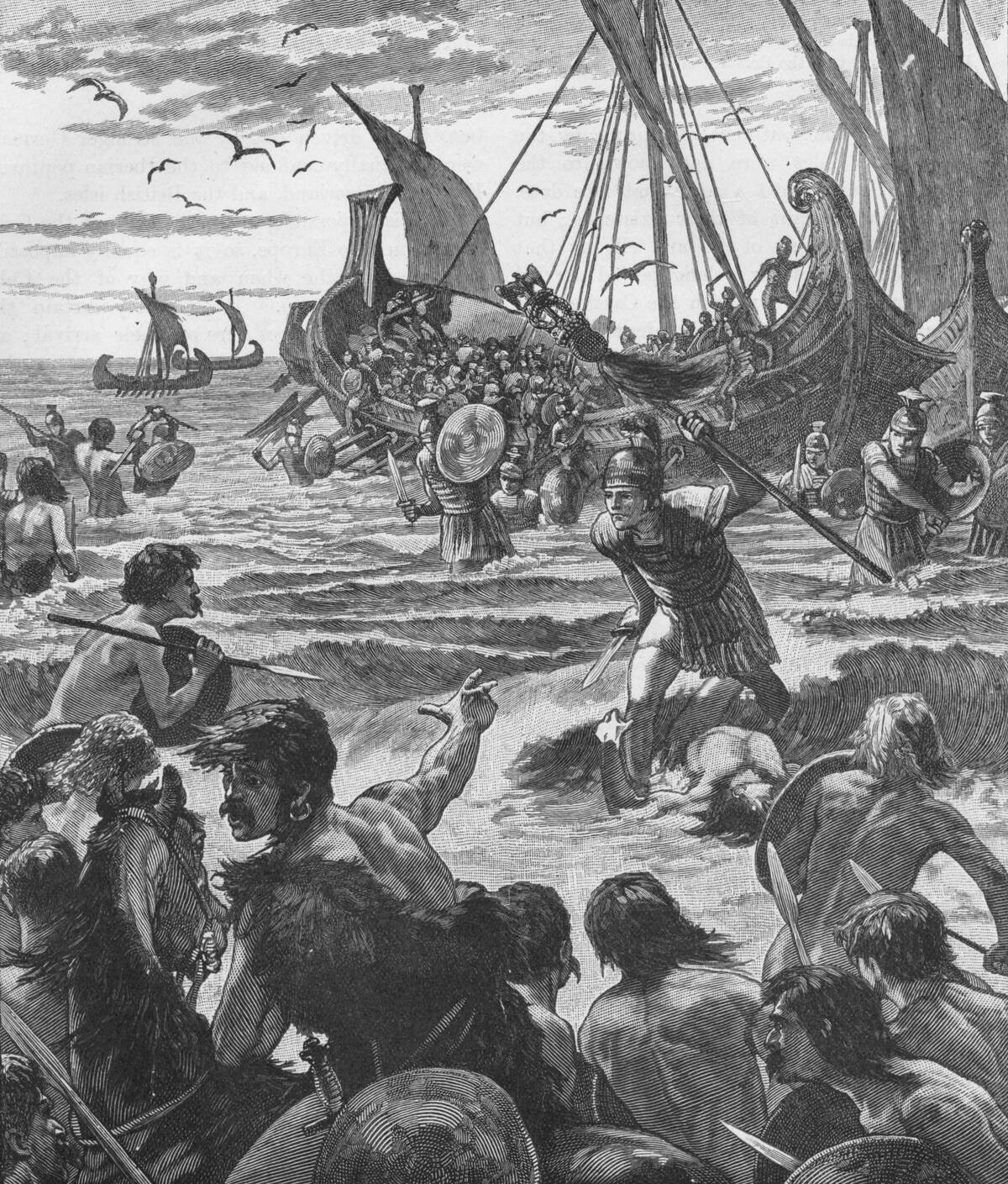
In Celtic culture, bards were revered as the keepers of history and tradition, using oral poetry to record the feats of heroes and the lineage of kings. Their verses were crafted with intricate rhythms and rhymes, designed to be memorable and captivating.
Bards played an essential role in sustaining Celtic identity, using their art to inspire and educate. This oral tradition ensured that the stories and values of the Celts would be passed down through generations, leaving a lasting cultural imprint.
The Igbo People: The Art of the Griot
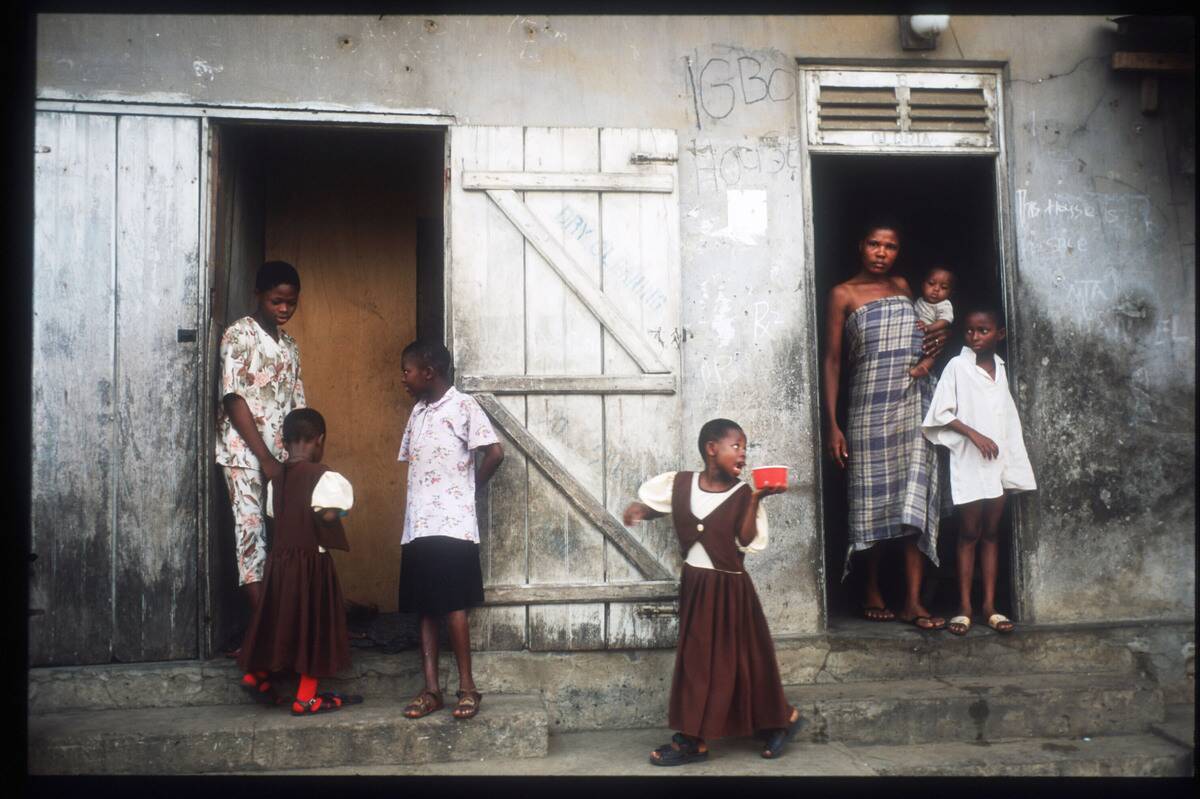
Among the Igbo people of Nigeria, griots are esteemed storytellers and historians who preserve the community’s heritage through oral tradition. They are the custodians of genealogies, historical accounts, and cultural wisdom.
Griots use music and poetic storytelling to engage their audiences, ensuring that history is not only remembered but celebrated. This tradition underscores the Igbo’s commitment to preserving their culture and the power of the spoken word as a means of sustaining identity.
Pacific Island Cultures: Navigating History with Stars and Stories
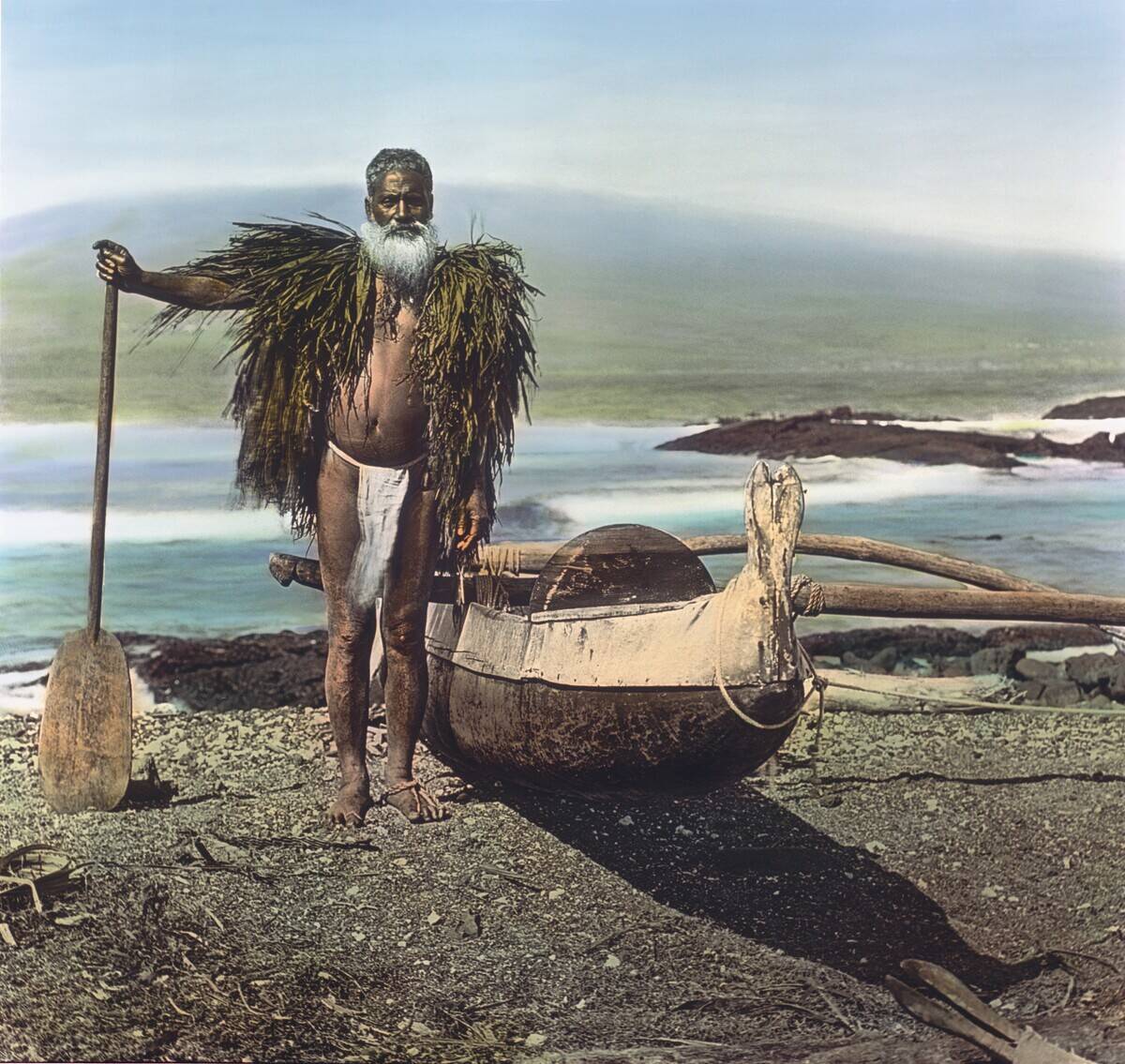
Pacific Island cultures, such as those in Polynesia, have a rich tradition of using oral stories and celestial navigation to journey across vast ocean distances. These stories are oral maps, blending myth and factual navigational techniques.
The tales of legendary voyagers are passed down through chants and songs, teaching new generations how to read the stars and currents. This unique blend of storytelling and navigation showcases the ingenuity and resilience of Pacific Islanders.
The Zulu Nation: Oral History and Praise Poetry
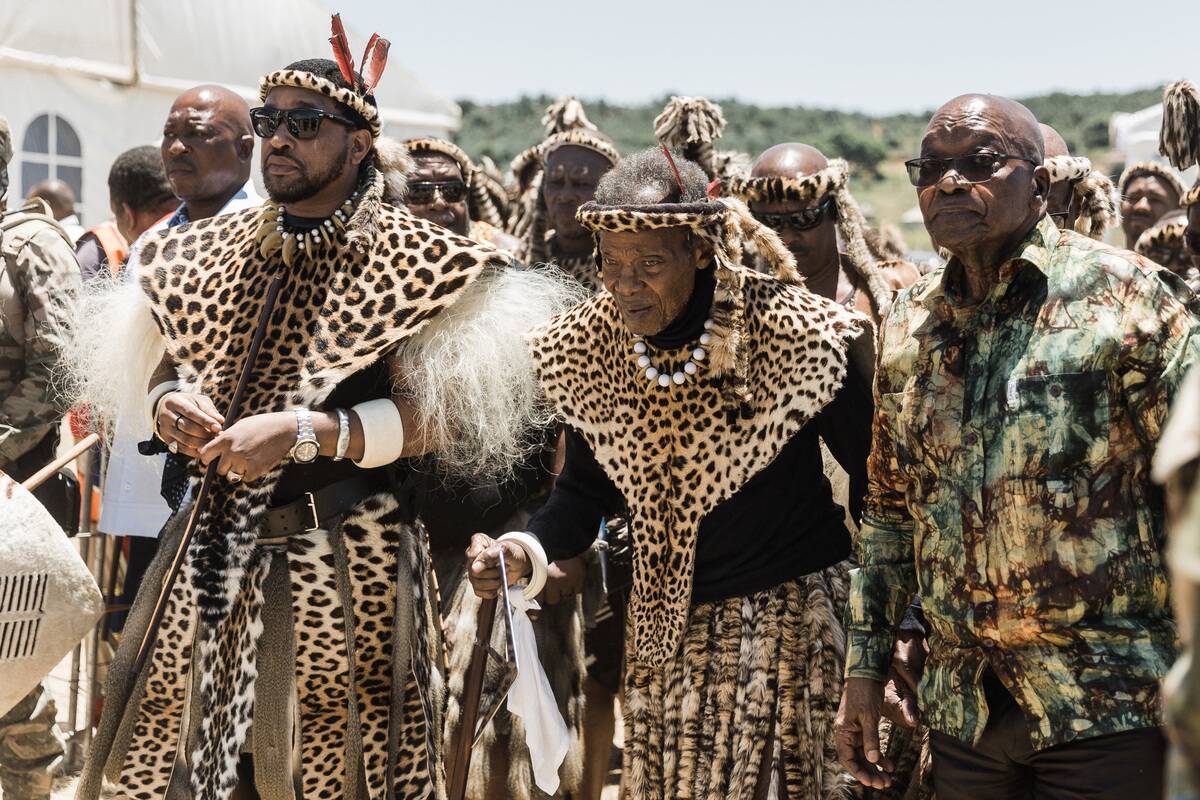
The Zulu nation of South Africa has a vibrant oral tradition characterized by praise poetry, known as izibongo. These poetic expressions celebrate the achievements of individuals and the community, intertwining historical events with cultural values.
Skilled poets, or imbongi, perform these works at public gatherings, reinforcing social bonds and collective memory. Through oral history and praise poetry, the Zulu maintain a strong sense of identity and pride in their heritage.
The Sami People: Yoik and the Sound of Heritage
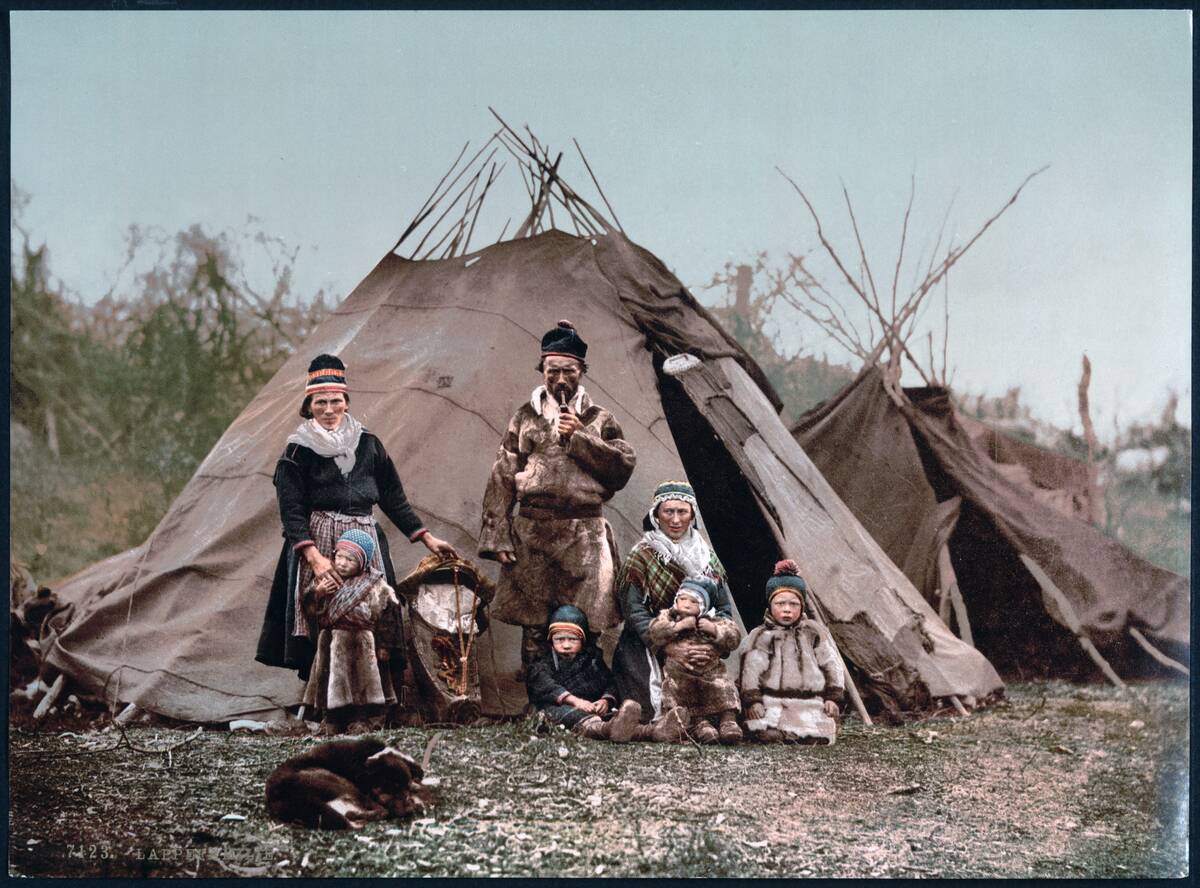
For the Sami people of Northern Europe, yoik is a traditional form of song that embodies their cultural heritage. Each yoik is a personal expression, often dedicated to a person, animal, or place, capturing its essence through melody.
This oral tradition is an integral part of Sami identity, reflecting their deep connection to nature and community. By preserving the yoik, the Sami ensure that their unique musical and cultural legacy continues to resonate across generations.
The Berber Tribes: Tales from the Sahara
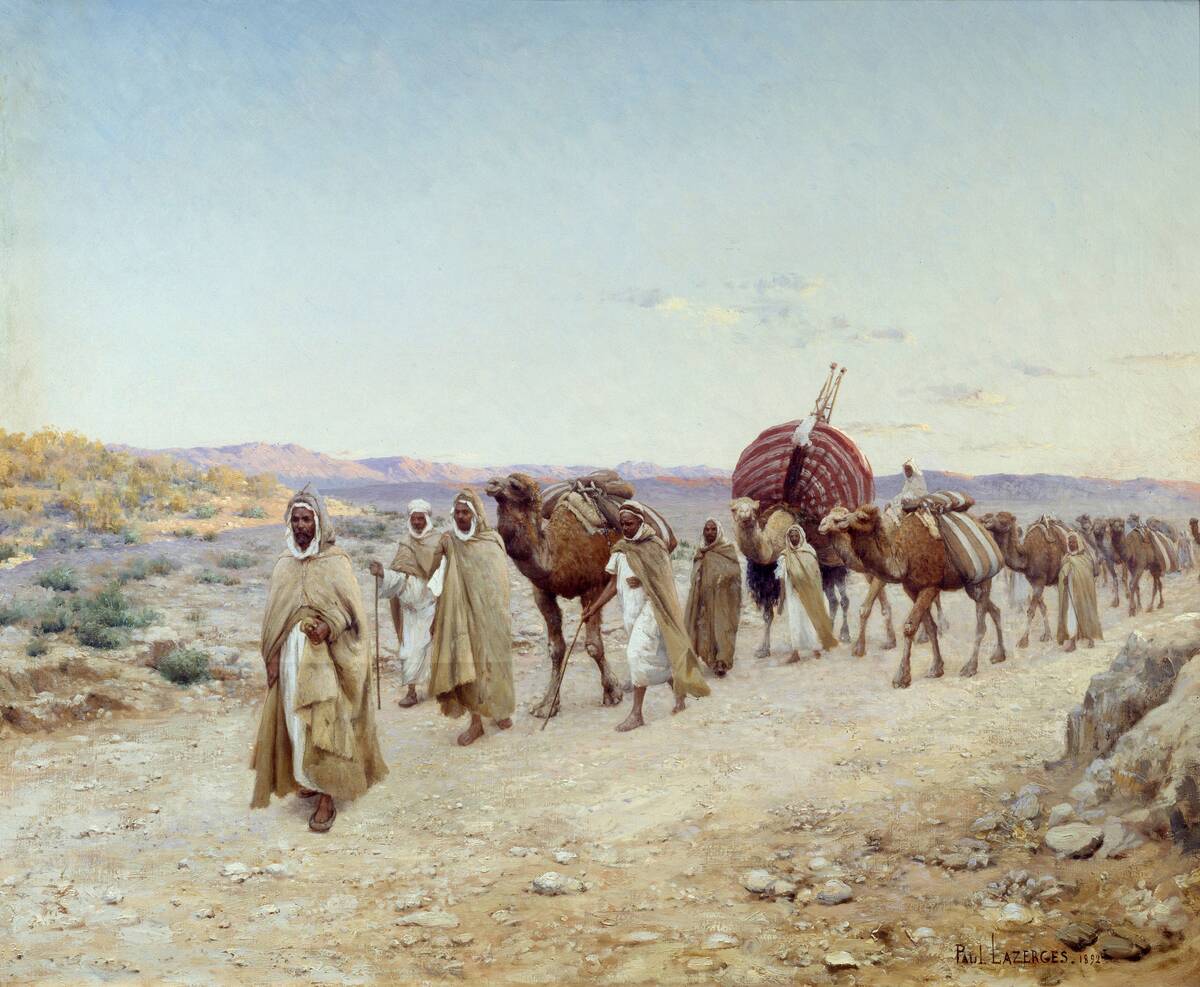
The Berber tribes of North Africa have a rich oral tradition that reflects the vast landscapes of the Sahara. Storytelling is a cherished practice, with tales of heroism, morality, and the supernatural passed down through generations.
These narratives are often told around campfires, where community members gather to listen and learn. The oral traditions of the Berber people preserve their history and cultural identity, offering a glimpse into their way of life amid the desert’s expanse.
The Role of Memory in Oral Cultures
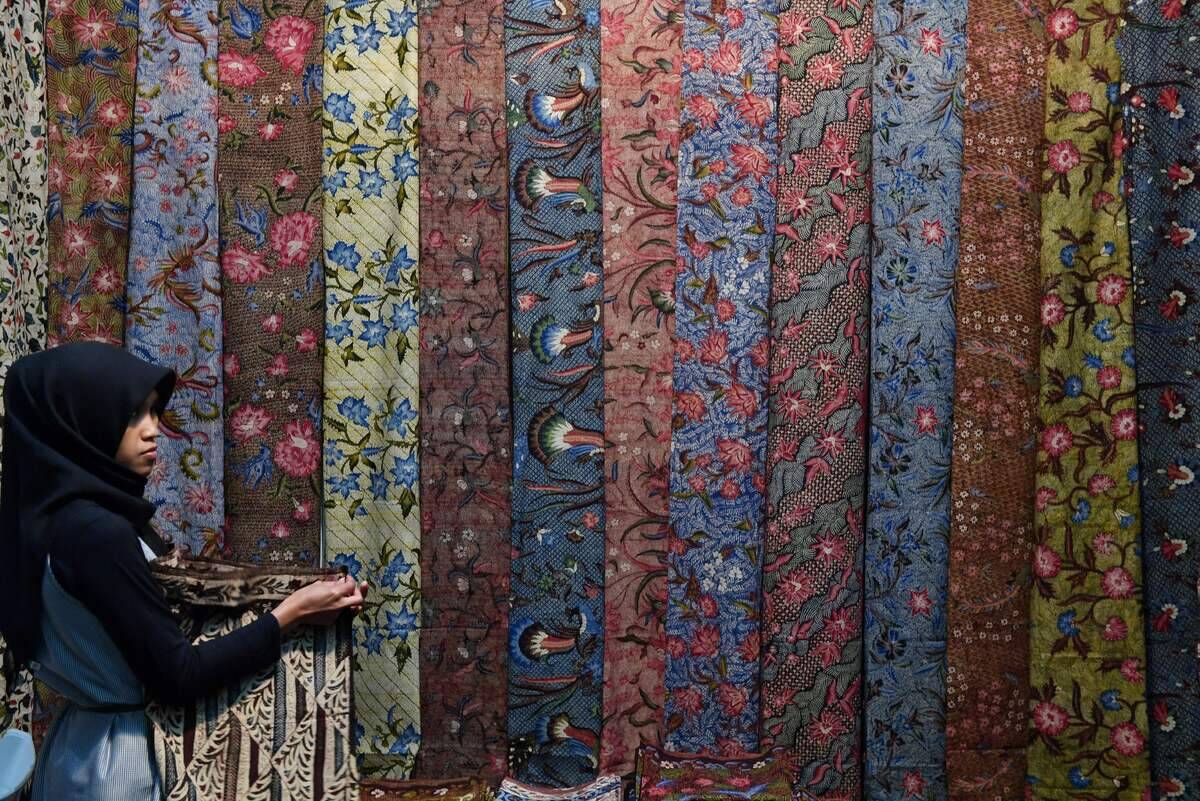
Memory plays a pivotal role in oral cultures, serving as the primary means of preserving and transmitting knowledge. In the absence of written records, individuals rely on mnemonic devices, repetition, and communal reinforcement to retain vast amounts of information.
This reliance on memory fosters a deep sense of connection and responsibility within the community, as each person contributes to the collective history. The strength of memory in oral cultures underscores the resilience and adaptability of human storytelling.
How Oral Traditions Influence Modern Cultures
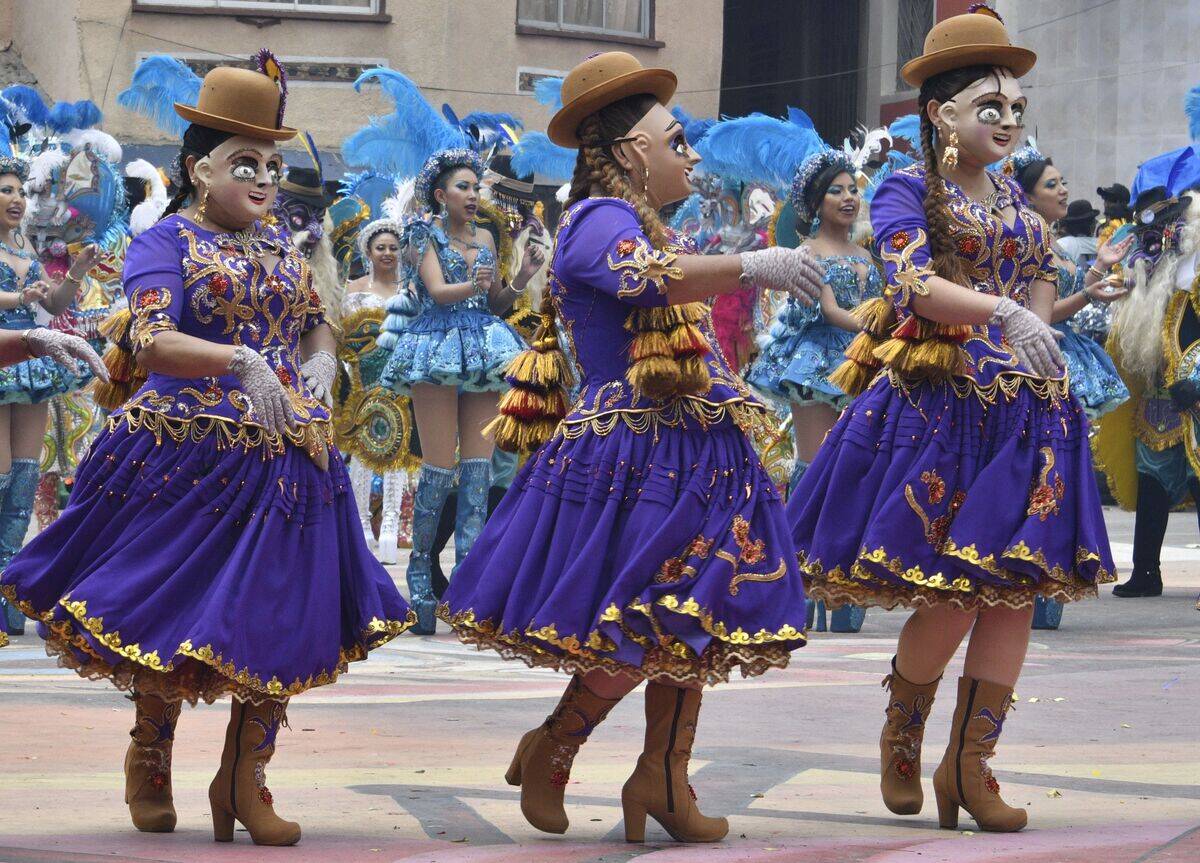
Oral traditions continue to influence modern cultures, shaping literature, music, and film. The themes and narratives from ancient stories often find new life in contemporary works, offering timeless insights and inspiration.
Additionally, the communal aspect of oral storytelling fosters a sense of belonging and shared identity, which remains vital in today’s digital age. By embracing these traditions, modern societies can bridge the gap between past and present, enriching their cultural landscape with the wisdom of ages.